
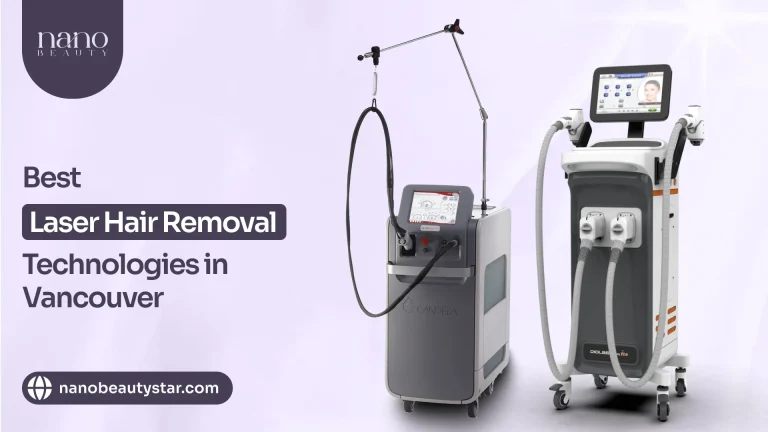
Ever feel like shaving has somehow become part of your weekly routine?
You shave before work, wax before a weekend plan, and then deal with those annoying razor bumps.
I’ve been there too.
Between busy mornings, beach days at English Bay, and spontaneous plans around Vancouver, unwanted hair can quickly become another chore.
That’s when I started looking into Vancouver med spas and the different hair removal technologies they use.
Many clinics offer laser hair removal, but once I started comparing them, I noticed something interesting: the technology isn’t always the same.
Some laser hair removal clinics in Vancouver use Alexandrite lasers, while others use diode, Nd, Soprano, Candela, or Cutera systems.
And that’s where things got confusing.
What do all these laser names actually mean?
Are they suitable for every skin tone and hair type, or does the technology you choose matter for your treatment?
I had the same questions, so I decided to break down the main technologies used for laser hair removal in Vancouver and explain what makes each one different.
Your skin tone, hair colour, hair thickness, wavelength, cooling system, and treatment approach can all affect how a laser technology is used.
So, let’s look at the best laser hair removal technologies in Vancouver and what you should know before your laser hair removal treatment.
How I selected these best laser hair removal technologies in Vancouver
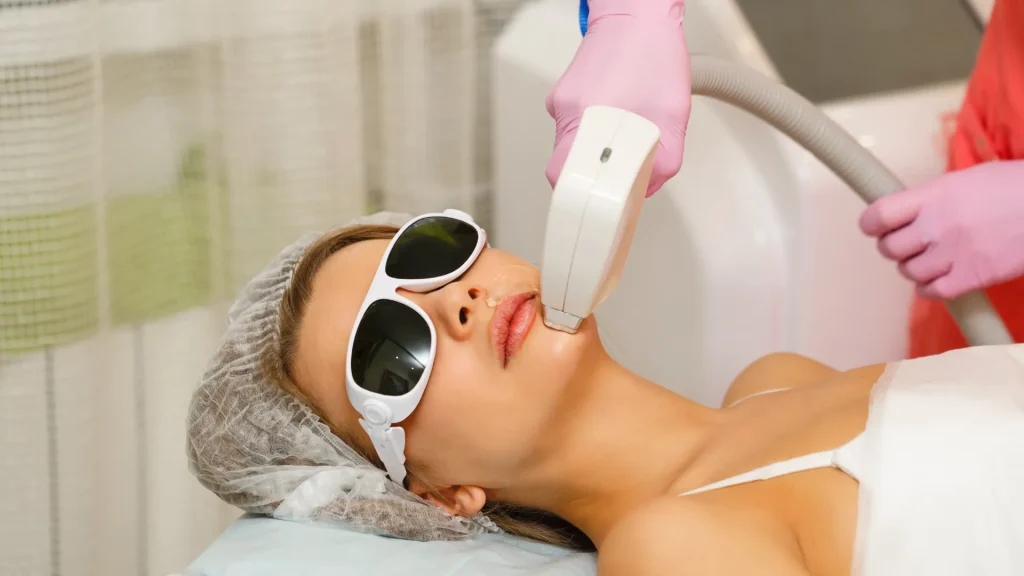
I didn’t just compare the machine names when creating this list.
I looked at the factors that can affect how each technology is used, from your skin tone and hair type to treatment speed, comfort, pricing, and safety information.
Here’s what I considered when comparing laser technologies in Vancouver.
Skin tone compatibility
Your skin tone was one of the first factors I considered.
I compared how different wavelengths are used across Fitzpatrick skin types, including Nd:YAG laser hair removal for darker skin tones and Alexandrite for lighter skin tones.
Wavelength versatility
I also compared the wavelengths used by each laser hair removal technology.
Some systems use one wavelength, while others combine multiple wavelengths to give practitioners more options for different skin tones and hair characteristics.
Comfort and cooling
Your treatment experience matters too.
I looked at the cooling systems and other comfort features built into each platform. These features can help manage heat during treatment and make the process more comfortable.
Treatment speed and coverage
Nobody wants to spend unnecessary time in a treatment room.
I compared factors such as spot size, repetition rate, and treatment methods to understand how efficiently each technology can cover different areas.
This is especially relevant for larger areas such as your legs, back, and arms.
Hair type and colour
Your hair characteristics can affect how laser treatment is performed.
I considered how each technology is used for different hair densities, thicknesses, and colours, including coarse and finer hair.
Reviews and client experience
The technology is only one part of your overall treatment experience.
I also considered clinic reviews and client feedback where available, to understand what people reported about comfort, service, and their treatment experience.
Pricing and treatment value
Laser hair removal is also a financial commitment.
I compared treatment prices, areas covered, session packages, and what each clinic included in the cost rather than looking at the machine alone.
Safety and regulatory information
I also considered the safety and regulatory information available for each technology.
I looked for documented information about the intended use of each system rather than assuming that every laser has the same indications or regulatory status.
These factors gave me a more balanced way to compare the best laser hair removal technologies in Vancouver beyond simply looking at machines or brand names.
Quick comparison of the best laser hair removal technologies in Vancouver
Each technology uses a different wavelength or light-delivery method to target pigmented hair. The table below gives you a quick view of the main differences before we look at each option in detail.
| Technology / Laser Type | Wavelength + Best Skin Tones (Fitzpatrick) | Ideal Hair Color / Type |
| Alexandrite laser | 755 nm; commonly used for lighter Fitzpatrick skin types | Dark brown to black hair, including finer pigmented hair |
| Diode laser | 810 nm; used across a range of skin types | Dark brown to black hair, especially coarse hair |
| Nd:YAG laser | 1064 nm; commonly used for darker Fitzpatrick skin types | Dark, coarse hair and deeper follicles |
| Soprano system | 755 / 810 / 1064 nm; depends on model and skin type | Dark, pigmented hair across different thicknesses |
| Candela system | 755 / 1064 nm on dual-wavelength systems; selected by skin type | Dark, pigmented hair from fine to coarse |
| Cutera excel HR | 755 / 1064 nm on excel HR; settings depend on skin type | Dark, coarse or medium-textured pigmented hair |
| IPL | Broad-spectrum light; suitability depends on filters and device | Dark brown to black hair with sufficient pigment |
7 best laser hair removal technologies in Vancouver used by clinics and med spas to help you reduce unwanted hair
Vancouver clinics and med spas use different laser technologies for hair removal. The seven options below cover both individual laser technologies and well-known systems used to deliver them.
Looking at each one separately makes it easier to understand the wavelength, treatment characteristics, and skin considerations involved.
Alexandrite laser hair removal
Best for: Lighter skin tones with dark, pigmented hair.
Avoid if: You have recently tanned skin or very little hair pigment. Your skin and hair should be assessed before treatment.
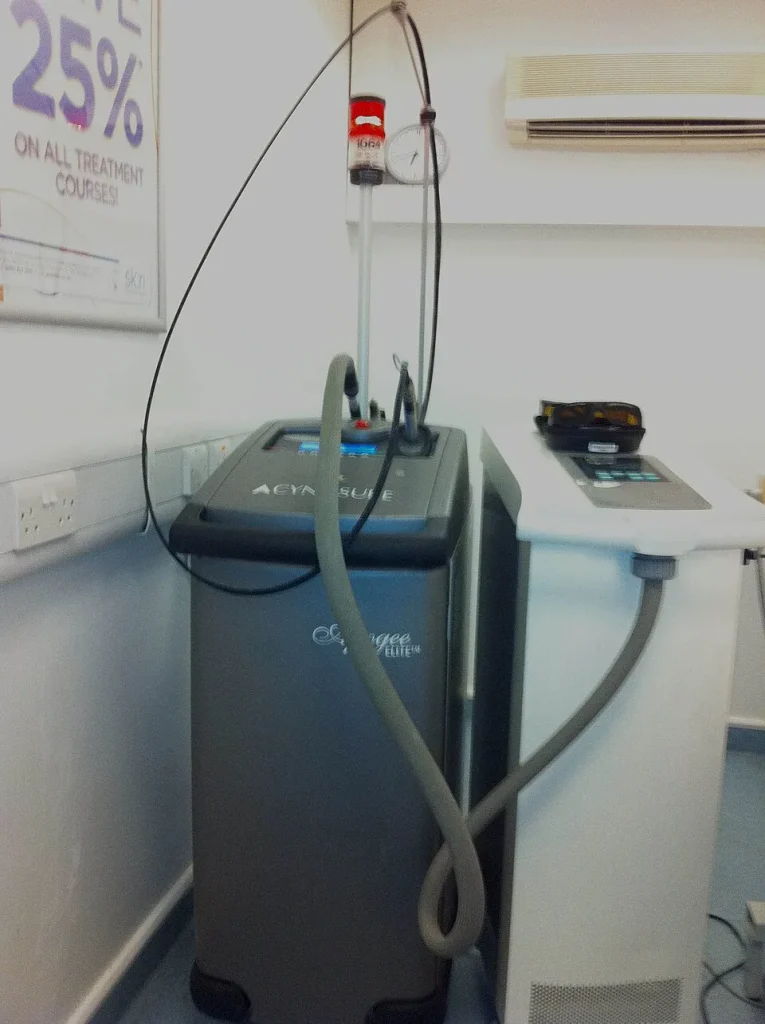
If you have fair to light skin with dark hair, Alexandrite laser hair removal in Vancouver is one technology you’ll likely see when comparing clinics. Its 755 nm wavelength has strong absorption by melanin, allowing the laser to target pigment in the hair follicle.
Alexandrite works particularly well when there is clear contrast between your skin and hair. It is commonly used for areas with noticeable dark hair, while the settings and treatment approach depend on your skin type, hair characteristics, and the specific device being used.
Main features of Alexandrite laser hair removal
These features explain what makes Alexandrite different from longer-wavelength systems.
- Uses a 755 nm wavelength with strong melanin absorption.
- Directs laser energy toward pigmented hair follicles.
- Works well when your skin and hair have clear contrast.
- Supports different spot sizes across treatment areas.
- Allows pulse settings to vary between specific devices.
- Delivers controlled energy to targeted treatment areas.
- Requires multiple sessions as hairs enter different growth phases.
Specifications differ between machines, so Alexandrite systems are not all identical. The specific model determines available pulse options, spot sizes, energy ranges, cooling features, and other treatment settings.
Technical specifications of Alexandrite laser hair removal
Here’s a simple breakdown of the specifications that can vary between devices.
| Technical specification | Alexandrite laser |
| Laser type | Solid-state Alexandrite laser |
| Laser mode | Long-pulsed |
| Pulse duration | Device-dependent |
| Spot size | Device-dependent |
| Fluence | Adjustable according to treatment settings |
| Cooling method | Cryogen, contact, or integrated cooling |
| Repetition rate | Device-dependent |
The exact settings depend on the device model and the practitioner’s treatment approach, so two Alexandrite systems can deliver the same wavelength while offering different treatment options.
Reviews for Alexandrite laser technology
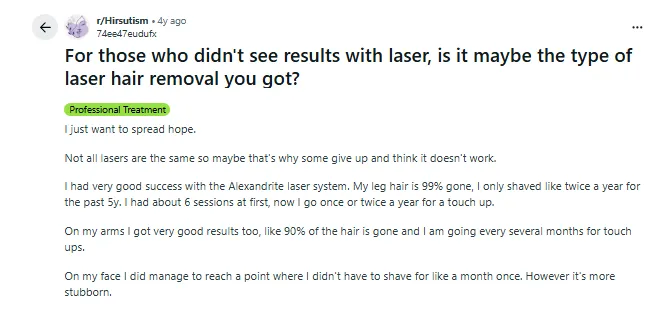
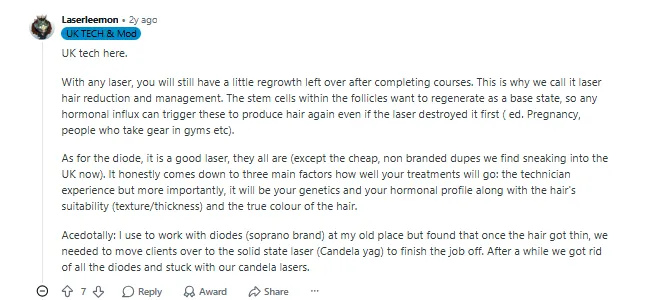
Some Reddit users have reported positive experiences with Alexandrite laser hair removal. One user reported about 99% hair reduction on their legs after an initial course of six sessions and around 90% reduction on their arms, followed by occasional maintenance treatments.
Diode laser hair removal
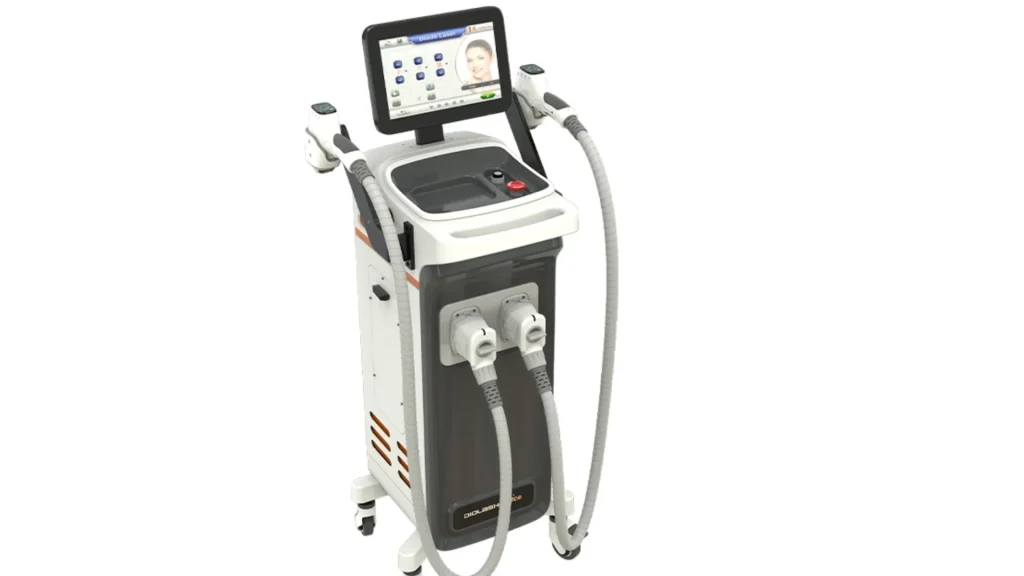
Best for: Dark, coarse hair across a range of skin tones.
Avoid if: Your hair has little or no pigment.
Diode laser hair removal uses semiconductor laser technology for longer-term hair reduction. Many diode systems use an 810 nm wavelength, which is absorbed by pigment in the hair and converted into heat around the follicle.
Clinics use diode systems for both smaller and larger treatment areas. You can find them used on the underarms, bikini area, legs, arms, back, chest, and face. Treatment settings still need to account for your skin tone, hair colour, hair thickness, and treatment area.
Main features of diode laser hair removal
When you look at diode technology, these features can shape how your treatment is delivered.
- Supports cooling features on compatible diode systems.
- Helps cover larger treatment areas efficiently during sessions.
- Supports faster treatment with systems using higher repetition rates.
- Allows in-motion treatment on compatible diode platforms.
- Let practitioners adjust energy settings for your skin and hair.
- Supports different spot sizes depending on the handpiece.
- Offers treatment settings that vary between individual devices.
The exact features depend on your clinic’s diode system. Two machines using diode technology can have different capabilities.
Technical specifications of diode laser hair removal
Here are the main technical details to consider when comparing diode systems.
| Technical specification | Diode laser hair removal |
| Laser source | Semiconductor diode technology |
| Common wavelength | 810 nm |
| Light type | Near-infrared |
| Pulse duration | Varies between systems |
| Fluence | Adjustable according to treatment requirements |
| Spot size | Changes according to the handpiece |
| Repetition rate | Depends on the specific device |
These specifications are not identical across every diode machine. When comparing your options, check the exact system used by your clinic rather than relying only on the word “diode.”
Reviews for diode laser technology
Some Reddit users also report positive experiences with diode laser hair removal. One user with tan skin and thick hair reported very little discomfort and noticed substantial shedding after each session, with the time between regrowth becoming longer.

One Reddit user described being very satisfied with the long-term results of diode laser treatment after four facial sessions, reporting little to no regrowth in the treated sideburn area years later.
Nd:YAG laser hair removal
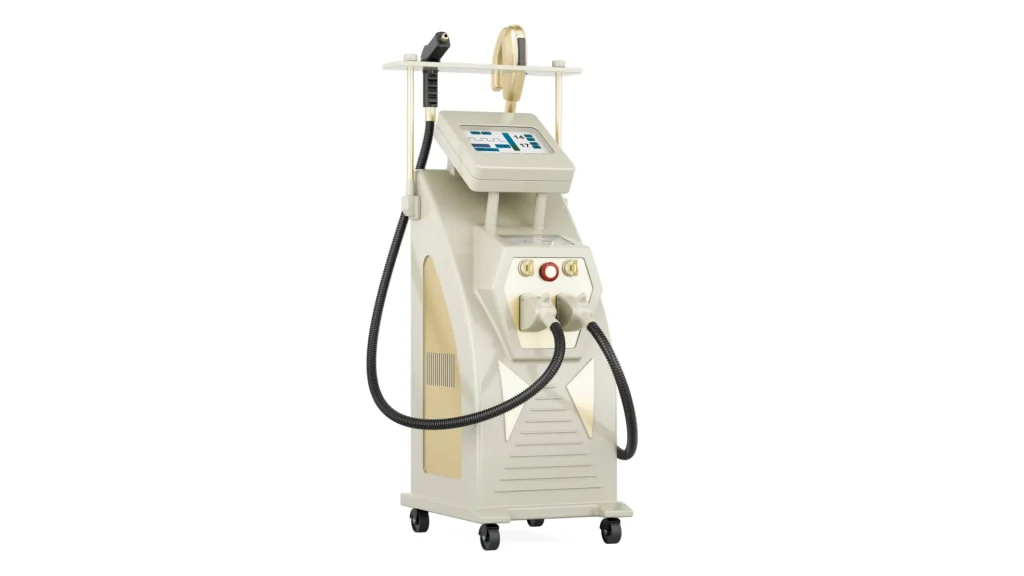
Best for: Dark, coarse hair and Fitzpatrick skin types IV–VI.
Avoid if: Your hair contains very little pigment.
Nd:YAG laser hair removal stands out for its longer 1064 nm wavelength. It penetrates deeper into the skin and has lower absorption by epidermal melanin than shorter wavelengths, which is why it is commonly used for darker skin tones, including Fitzpatrick IV–VI.
The laser energy reaches the hair follicle while limiting the amount of energy absorbed by surface pigment. Long-pulsed Nd:YAG systems are used for areas such as the face, underarms, legs, bikini area, back, and chest.
Your hair colour and thickness still matter because the laser needs pigment in the hair to absorb the energy. Your skin tone, treatment area, device, and selected settings also influence how each session is performed.
Main features of Nd:YAG laser hair removal
These features explain why the 1064 nm wavelength is commonly used.
- Uses a longer 1064 nm wavelength for deeper penetration.
- Has lower absorption by epidermal melanin than shorter wavelengths.
- Delivers controlled heat toward targeted hair follicles.
- Uses long-pulsed delivery on many hair-removal systems.
- Supports adjustable energy settings for different treatment needs.
- Includes cooling options depending on the device.
- Comes with different spot sizes across available systems.
Your clinic’s specific Nd:YAG device determines which features and treatment settings are available.
Technical specifications of Nd:YAG laser hair removal
If you are checking the technology used at your clinic, these are some of the specifications worth looking at.
| Technical specification | Nd:YAG laser hair removal |
| Laser medium | Neodymium-doped yttrium aluminium garnet |
| Primary wavelength | 1064 nm |
| Spectrum | Near-infrared |
| Delivery method | Long-pulsed |
| Pulse duration | Device-specific and adjustable |
| Energy density | Measured in J/cm² and selected according to treatment parameters |
| Cooling | Contact or integrated cooling depending on the system |
These numbers describe the technology rather than a guaranteed treatment outcome. Your skin tone, hair pigment, hair thickness, treatment area, and the settings selected for your session all influence how the Nd:YAG system is used.
Reviews for Nd:YAG laser technology
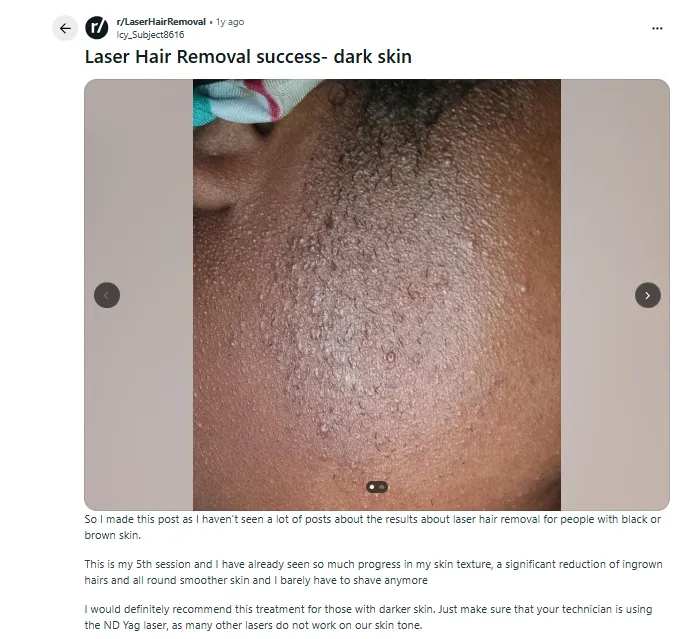
Some Reddit users with darker skin have reported positive experiences with Nd:YAG laser hair removal. One user reported noticeable progress after five sessions, including smoother skin, fewer ingrown hairs, and much less need to shave.
Soprano multi-wavelength laser hair removal
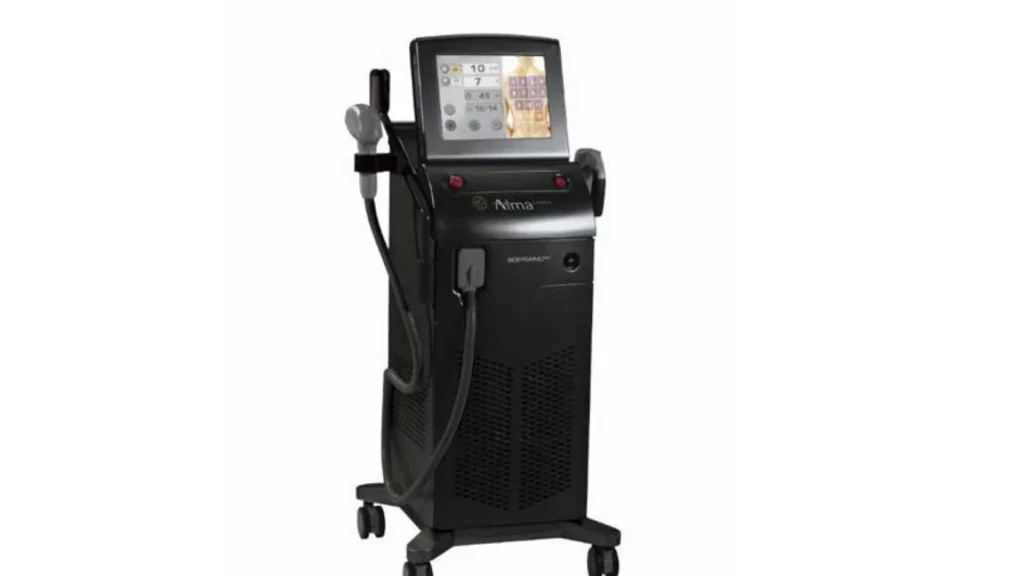
Best for: Different skin and hair combinations when the system offers a suitable wavelength
Avoid if: Your hair has very little pigment for the selected wavelength to target
If you have been comparing soprano laser hair removal in Vancouver, you will notice that soprano systems can combine different laser wavelengths rather than relying on one type of laser alone. Depending on the model, these include 755 nm Alexandrite, 810 nm diode, and 1064 nm Nd.
The wavelength matters more than the Soprano name itself. Each wavelength interacts with melanin differently and has different penetration characteristics. Depending on the Soprano model, some systems use 810 nm alone, while multi-wavelength models can combine 755 nm, 810 nm, and 1064 nm in the same applicator. Your skin tone, hair colour, thickness, treatment area, and the specific Soprano system and treatment mode influence how the treatment is delivered.
Main features of Soprano laser hair removal
Soprano combines several treatment features that can affect how your laser session is delivered.
- Combines different wavelengths on compatible systems.
- Offers 755 nm Alexandrite for suitable skin and hair combinations.
- Provides 810 nm diode technology for common hair-removal applications.
- Includes 1064 nm Nd on compatible models.
- Uses cooling to manage heat at the treatment surface.
- Offers different delivery modes depending on the model.
- Allows treatment settings to be adjusted for individual sessions.
Not every Soprano system has the same wavelengths or treatment modes, so check the specific model available at your Vancouver clinic.
Technical specifications of Soprano laser hair removal
The specifications below show how Soprano systems can differ. Before booking, check the exact model because wavelength availability, delivery modes, applicators, and cooling features are not identical across the range.
| Technical specification | Soprano laser hair removal |
| Technology | Multi-wavelength laser platform |
| Wavelengths | 755 nm, 810 nm, and 1064 nm, depending on model |
| 755 nm | Alexandrite |
| 810 nm | Diode |
| 1064 nm | Nd:YAG |
| Delivery method | SHR In-Motion and model-specific modes |
| Cooling | Contact cooling, depending on model |
Your Soprano treatment can look different depending on the system available at your laser hair removal clinics in Vancouver BC. The applicator, wavelength combination, and treatment mode all play a role in how your session is performed.
Reviews for Soprano laser technology
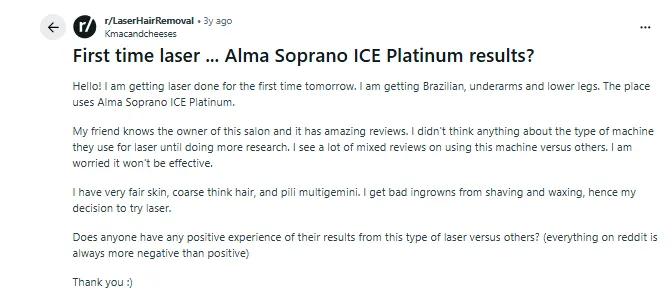
Some Reddit users have shared positive experiences with Soprano laser systems. One user reported being very happy with Soprano ICE Platinum, describing the treatment as quick and almost painless. Another user reported very little regrowth more than two years after treatment.
Candela laser hair removal systems
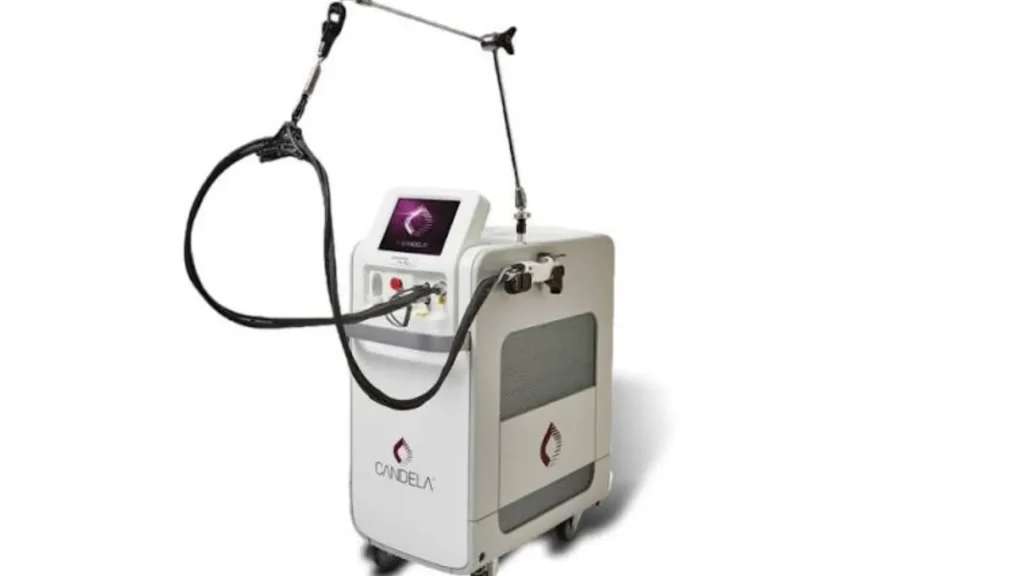
Best for: Pigmented hair when the available wavelength suits your skin and hair combination
Avoid if: Your hair contains too little pigment for the selected laser to target
When researching Candela laser hair removal in Vancouver, you may come across Gentle Pro systems that use 755 nm Alexandrite, 1064 nm Nd:YAG, or both, depending on the specific model. Candela is the manufacturer, while these wavelengths describe the actual laser technology delivered during treatment.
Alexandrite has stronger absorption by melanin and is commonly selected for suitable lighter skin tones. Nd reaches deeper with less absorption by epidermal melanin, making it a commonly considered option for darker skin. The exact choice depends on your skin, hair, treatment area, and the system available at the clinic.
Main features of Candela laser hair removal
- Delivers 755 nm Alexandrite on compatible systems.
- Provides 1064 nm Nd for suitable treatment needs.
- Allows wavelength selection according to skin and hair characteristics.
- Uses controlled pulses to deliver energy to the target area.
- Offers different spot sizes for various treatment areas.
- Includes Dynamic Cooling Device technology on compatible systems.
- Provides model-specific settings for pulse delivery and energy control.
The exact features depend on the Candela model available at your Vancouver clinic. Your practitioner also selects the wavelength, settings, and applicator according to your individual treatment needs.
Technical specifications of Candela laser hair removal
These specifications show how the main Candela Gentle Pro systems are configured.
| Technical specification | Candela laser hair removal |
| Manufacturer | Candela |
| Alexandrite wavelength | 755 nm |
| Nd:YAG wavelength | 1064 nm |
| Dual-wavelength platform | GentleMax Pro |
| Cooling technology | Dynamic Cooling Device |
| Spot sizes | Multiple sizes available |
| Laser delivery | Handpiece-based pulses |
Your treatment setup depends on which Gentle Pro system and applicator your Vancouver clinic uses. GentleMax Pro and GentleMax Pro Plus differ in spot sizes and delivery features, so checking the specific model gives you a clearer picture of what your session includes.
Reviews for Candela laser technology
Reddit users have shared positive experiences with Candela GentleMax Pro. One user with light skin and dark brown hair reported significant hair reduction after four sessions, describing the treatment pain as manageable. Another user reported that GentleMax Pro produced a strong reduction, with much of the remaining hair growing back finer and occasional touch-ups needed.
These experiences are personal reports, so your results can differ based on your skin tone, hair characteristics, treatment area, settings, and practitioner.


Cutera laser hair removal
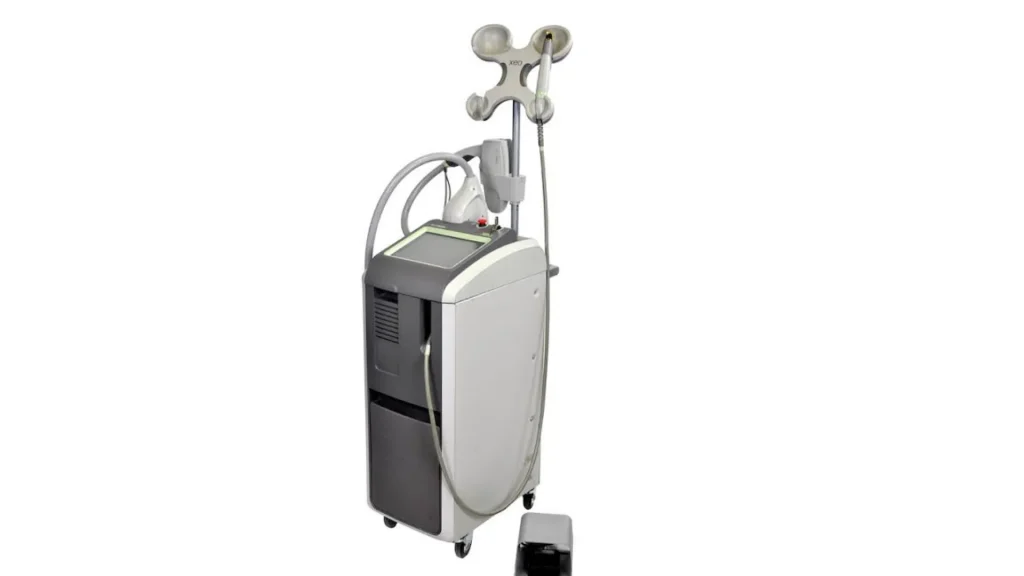
Best for: Your pigmented hair when 755 nm or 1064 nm technology suits your skin
Avoid if: Your hair has very little pigment for the selected wavelength to target
If you are researching Cutera laser hair removal in Vancouver, you may come across the excel HR system, which combines 755 nm Alexandrite and 1064 nm Nd technology. These two wavelengths interact with melanin differently, giving practitioners options for different skin tones and hair characteristics.
The equipment also incorporates features such as contact cooling, adjustable treatment coverage, and model-specific energy controls. What you experience during treatment therefore depends not only on the Cutera name, but also on the exact system, handpiece, settings, and treatment area.
Main features of Cutera laser hair removal
The excel HR system combines several features that influence how laser energy is delivered during treatment.
- Provides 755 nm Alexandrite and 1064 nm Nd options.
- Keeps the treatment surface cooled with sapphire contact cooling.
- Delivers controlled energy through the selected laser source.
- Adjusts treatment coverage for different body areas.
- Uses Cutera’s proprietary truPulse technology with the 1064 nm Nd:YAG laser.
- Offers motorized spot-size adjustment on the compatible system.
- Supports treatment of larger areas with appropriate settings.
These features are part of the excel HR platform rather than characteristics shared by every Cutera device.
Technical specifications of Cutera laser hair removal
These specifications show what technology your clinic’s Cutera system uses.
| Technical specification | Cutera excel HR |
| Platform | Dedicated hair-removal laser |
| Laser sources | Alexandrite and Nd:YAG |
| Alexandrite | 755 nm |
| Nd:YAG | 1064 nm |
| Cooling | Sapphire contact cooling |
| Spot-size control | Motorized adjustment |
| Energy delivery | truPulse technology |
Cutera also has other platforms, including xeo, that can be configured for hair removal. Therefore, if a Vancouver clinic lists Cutera on its website, checking the specific model can tell you more about the technology being used.
Reviews for Cutera laser technology
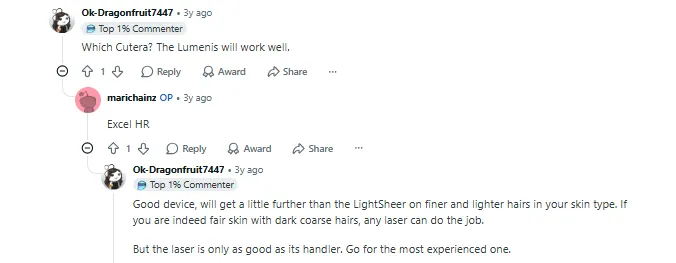
Some Reddit users have reported positive experiences with Cutera Excel HR. One user described the device as effective for finer and lighter hair on suitable skin and noted that the practitioner’s experience also matters. These are personal experiences, not clinical evidence.
IPL and other light-based hair removal technologies
Best for: Dark, pigmented hair with enough pigment to absorb light
Avoid if: Your hair has little or no pigment for IPL energy to target
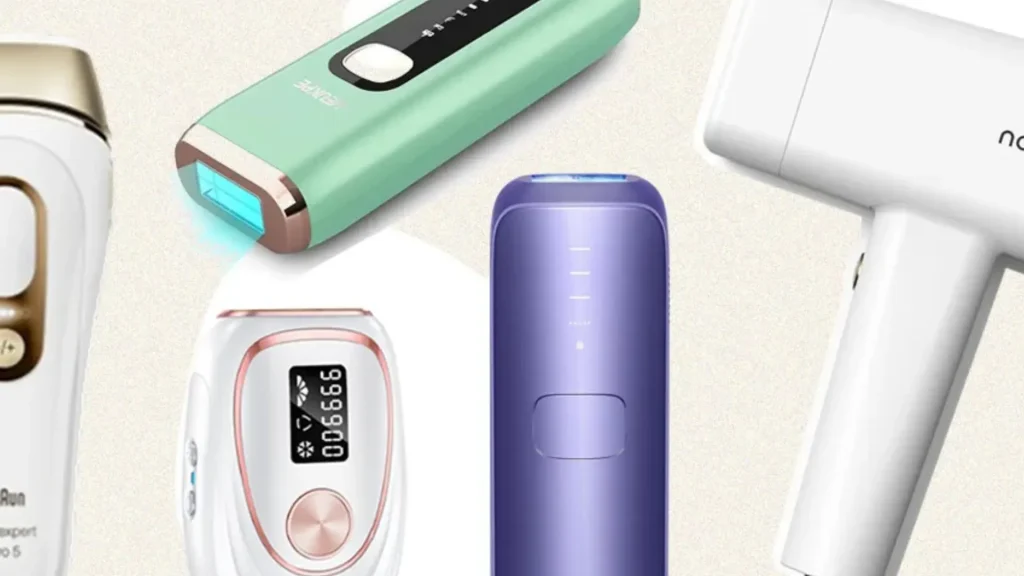
You might see IPL listed alongside laser hair removal at Vancouver clinics. IPL stands for intense pulsed light, but it is not technically a laser. Instead, it delivers broad-spectrum light through filters, allowing selected wavelengths to reach your skin. The light is absorbed by pigment in the hair and converted into heat around the follicle.
Your skin tone, hair colour, hair thickness, and treatment settings can all affect how IPL performs. Some IPL platforms also support treatments such as photofacials, so the same technology can be used for different cosmetic applications.
Main features of IPL hair removal
IPL systems use several controls to manage how light reaches your skin.
- Delivers broad-spectrum light rather than one laser wavelength.
- Uses filters to select the desired light range.
- Targets pigment within the hair during each pulse.
- Allows energy levels to be adjusted between treatments.
- Provides different pulse durations depending on the system.
- Uses different spot sizes across available handpieces.
- Includes cooling on some IPL platforms to manage surface heat.
Because IPL specifications vary widely, check the exact device before comparing it with laser systems.
Technical specifications of IPL hair removal
The exact specifications depend on the IPL platform and handpiece your clinic uses.
| Technical specification | IPL hair removal |
| Light source | Xenon flashlamp |
| Light type | Broad-spectrum pulsed light |
| Wavelength selection | Filter-based |
| Fluence | Device-dependent |
| Pulse duration | Device-dependent |
| Spot size | Handpiece-dependent |
| Cooling | Contact or integrated cooling |
Different IPL systems can have substantially different wavelength ranges, energy levels, pulse durations, spot sizes, and cooling configurations. For example, FDA-cleared IPL devices document different filtered wavelength ranges and operating parameters.
Reviews for IPL technology
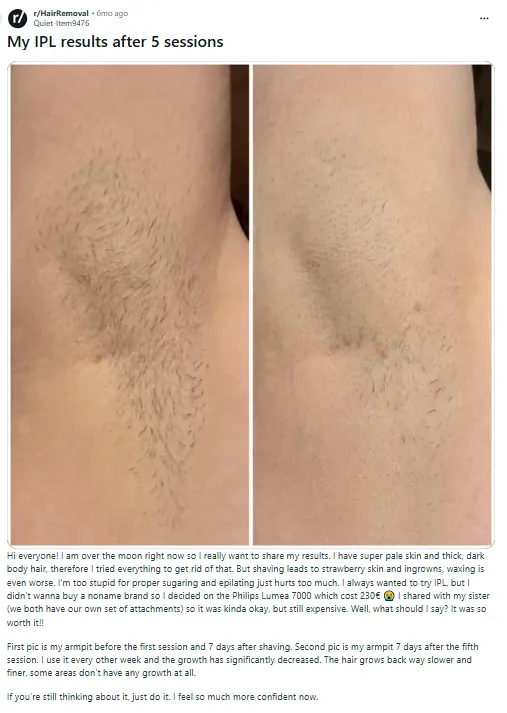
Some Reddit users have reported positive IPL experiences. One user shared that after five sessions, hair growth became significantly slower and finer, with some areas showing little regrowth.
These are personal experiences, so results differ depending on your skin tone, hair colour, device, and treatment routine.
Which laser hair removal technology is right for you?
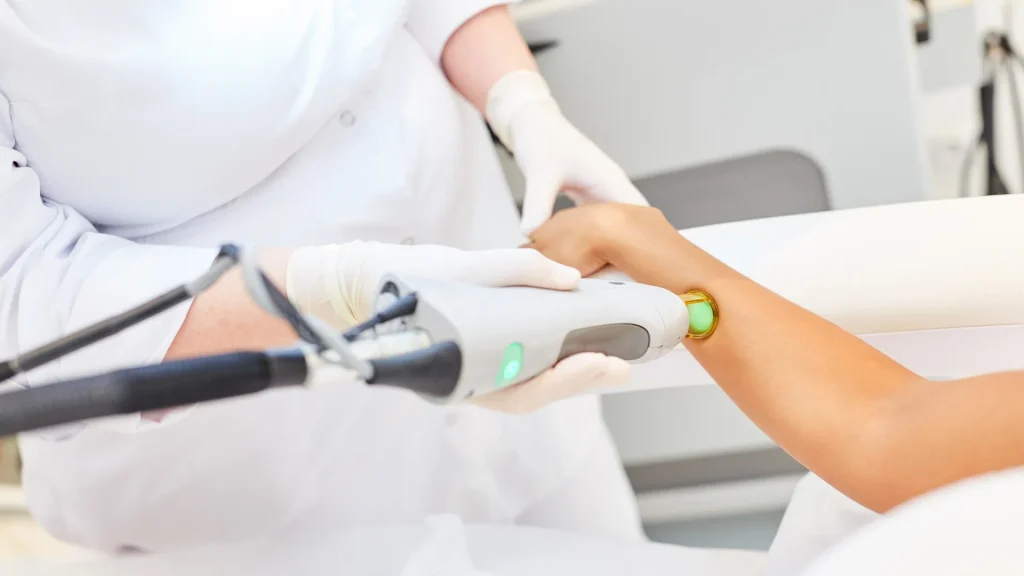
Choosing a laser can feel confusing when every clinic uses different technology names. The good news is that you don’t need to understand every machine before booking.
Your skin tone, hair type, and treatment area usually give you a better starting point. Here’s what to keep in mind when comparing your options in Vancouver.
Lighter skin with dark hair
If you have lighter skin and dark hair, you have a strong contrast between your skin and hair.
Alexandrite technology can work well for this combination because its 755 nm wavelength is strongly absorbed by pigment in the hair.
Darker skin considerations
If your skin is darker, wavelength selection becomes especially important.
Nd:YAG technology uses a 1064 nm wavelength that reaches deeper into the skin while having less absorption by surface melanin. This can make it a useful option for darker skin tones.
Coarse hair treatment
Have you ever noticed that some hairs seem much harder to deal with than others?
Coarse hair usually contains more pigment, which gives laser energy something stronger to target. Diode, Alexandrite, and Nd:YAG systems can all be used depending on your skin and hair combination.
Fine or thinner hair
Fine hair can be a little more challenging because there is less pigment for the laser to target.
That doesn’t automatically rule out laser treatment. Your practitioner can consider your hair colour, skin tone, treatment area, and available technology when selecting suitable settings.
Larger treatment areas
Planning to treat your legs, back, or several areas at once?
Treatment speed becomes more important here. Larger spot sizes and faster pulse delivery can help cover more skin during your appointment without making the process unnecessarily long.
Multi-wavelength laser systems
Not sure which wavelength fits your skin and hair combination?
Multi-wavelength systems give practitioners more than one wavelength to work with. This can provide greater flexibility when different treatment areas or characteristics need different approaches.
What to check before choosing a laser hair removal technology for your skin and hair
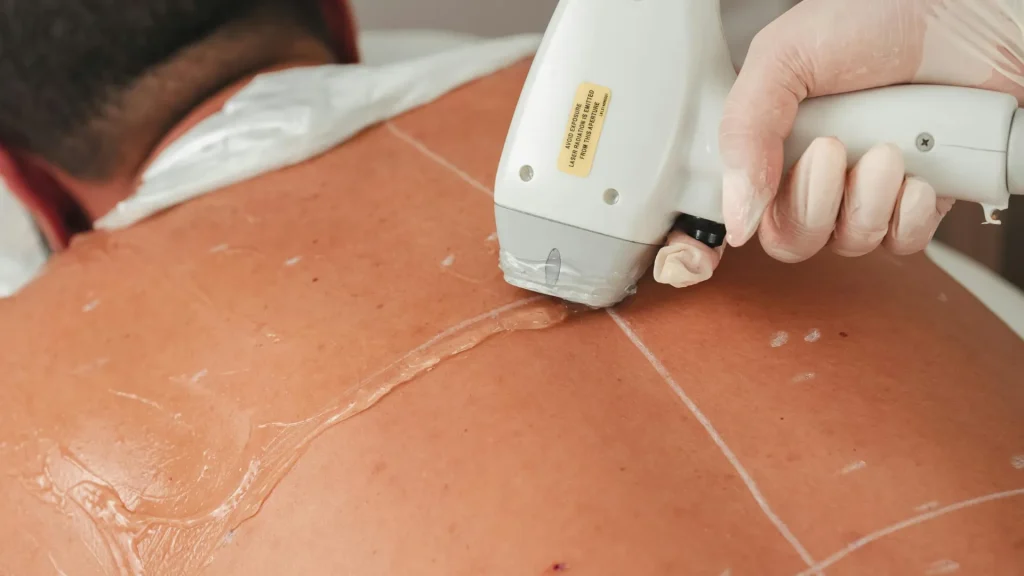
Seeing different laser names while researching clinics in Vancouver can get confusing quickly. A machine’s brand alone doesn’t tell you whether it suits your skin or hair.
Before booking, look beyond the name and check these important details.
Check the exact machine and laser wavelength
Don’t stop at the brand name printed on the machine.
Check the exact model and wavelength used for your treatment. Different wavelengths interact with skin and hair differently, making this an important detail to understand.
Consider your skin tone and hair colour
Your skin and hair combination matters from the beginning.
Dark hair generally gives the laser more pigment to target. Your skin tone also affects which wavelength and treatment settings can be used for your session.
Look at the cooling system and treatment settings
Laser energy creates heat, so cooling can make a difference during your appointment.
Check whether the system uses built-in or separate cooling. It’s also helpful to know whether settings can be adjusted for your skin and treatment area.
Check the operator’s training and safety procedures
A well-known laser still needs proper handling by a trained practitioner.
Look at the operator’s training and the clinic’s safety process. This includes skin assessment, protective eyewear, treatment settings, and aftercare instructions.
Understand your treatment schedule and expected results
Laser hair removal usually takes several sessions rather than one appointment.
Ask how sessions are spaced and what can affect your progress. Hair growth cycles, hormones, skin type, and hair characteristics can all influence your treatment results.
Ready to find the best laser hair removal technologies in Vancouver for your skin?
Finding the right laser technology starts with understanding your own skin and hair. Alexandrite, diode, Nd:YAG, Soprano, Candela, Cutera, and IPL all work differently. Your skin tone, hair pigment, treatment area, and chosen technology can all affect how your treatment is performed.
It is also worth looking beyond the machine name. Cooling, treatment settings, practitioner experience, safety procedures, and session planning can all shape your treatment experience. Knowing these details gives you a clearer idea of what to compare when exploring laser hair removal options in Vancouver.
Nano Beauty Star takes a personalized approach to laser hair removal by considering your skin tone, hair characteristics, and treatment area when planning your treatment. Our team selects the technology and treatment approach based on your individual needs rather than using the same approach for everyone.
Book your free consultation with us to discuss your skin and hair, explore your treatment options, and plan a laser hair removal treatment that suits your needs.
Frequently asked questions about laser hair removal technology in Vancouver
What is the newest laser hair removal technology available in Vancouver?
There isn’t one single “newest” technology that applies to every Vancouver clinic. Newer systems continue to introduce features such as multiple wavelengths, faster delivery, improved cooling, and more adjustable treatment settings. The specific models available vary between clinics.
Is newer laser hair removal technology always better?
Not necessarily. Newer systems can introduce improvements in cooling, speed, or treatment flexibility, but those features do not automatically make them suitable for every person. Your skin tone, hair characteristics, treatment area, device, and treatment settings still matter.
How does laser hair removal technology target unwanted hair?
Laser hair removal sends concentrated light into your skin, where pigment in the hair absorbs the energy. This light converts into heat around the follicle and damages structures responsible for hair growth. Treatments are repeated because hair follicles grow through different stages.
Does laser hair removal technology work on blonde, red, or grey hair?
Laser hair removal works best when the hair contains enough melanin to absorb the laser energy. Blonde, grey, and white hair generally responds poorly because it contains little or no melanin. Red hair can also be difficult to treat because its pigment responds less predictably to commonly used laser wavelengths. Your hair colour and individual characteristics should be assessed before treatment.
Can laser hair removal technology permanently remove unwanted hair?
Laser hair removal can provide permanent hair reduction, but it does not guarantee that every treated hair will be eliminated permanently. Regrowth can occur, and maintenance treatments may be needed. After several treatments, many people experience months or years with much less regrowth. Some hairs can return, and maintenance treatments can help manage regrowth over time.
