Advanced Care for Timeless Confidence
Enhancing natural beauty through advanced aesthetic treatments and personalized care.
- Expert-led med spa and wellness treatments
- Customized care designed for lasting confidence
- Advanced technology for safe and effective results
You finally booked your microneedling session.
Your skin feels tight, warm, and a little sensitive afterward, so naturally, you start looking for something soothing to help it heal faster.
That is when Bio-Oil usually enters the conversation.
You may already have a bottle sitting at home for scars, stretch marks, or dry skin, and it seems harmless enough to apply after treatment.
But microneedling changes how your skin behaves for the first few days. Tiny microchannels remain open, your barrier is temporarily weakened, and products that normally feel gentle can suddenly become irritating.
This is why using Bio-Oil after microneedling is not always as simple as it sounds.
Some people use it too early and end up dealing with redness, breakouts, stinging, or prolonged irritation. Others wait until the skin has recovered and find it helpful later in the healing process. Timing, skin condition, and product ingredients all matter more than most people realize.
In this guide, you will learn when Bio-Oil may be safe to use after microneedling, when to avoid it, the risks of applying it too soon, and how to protect your skin while it heals.
What is Bio-Oil?
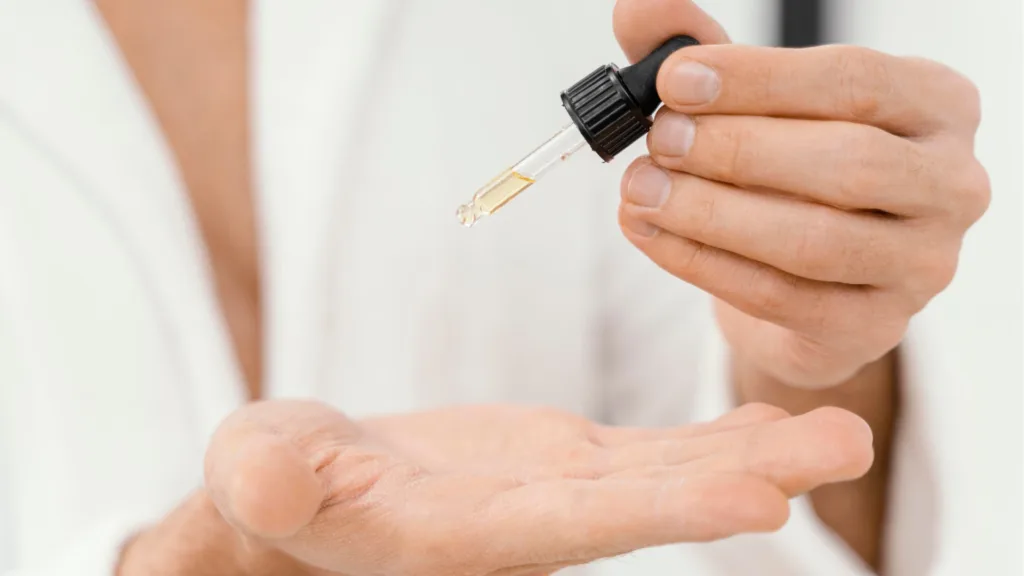
Bio-Oil is a popular skincare oil often used for scars, stretch marks, dryness, and uneven skin texture. It is made with a blend of mineral oil, plant extracts, vitamins, and fragrance ingredients designed to soften and moisturize the skin.
Because it is known for keeping the skin hydrated, many people consider using Bio-Oil after microneedling to help with healing.
But freshly microneedled skin is much more sensitive than usual.
What is Microneedling?
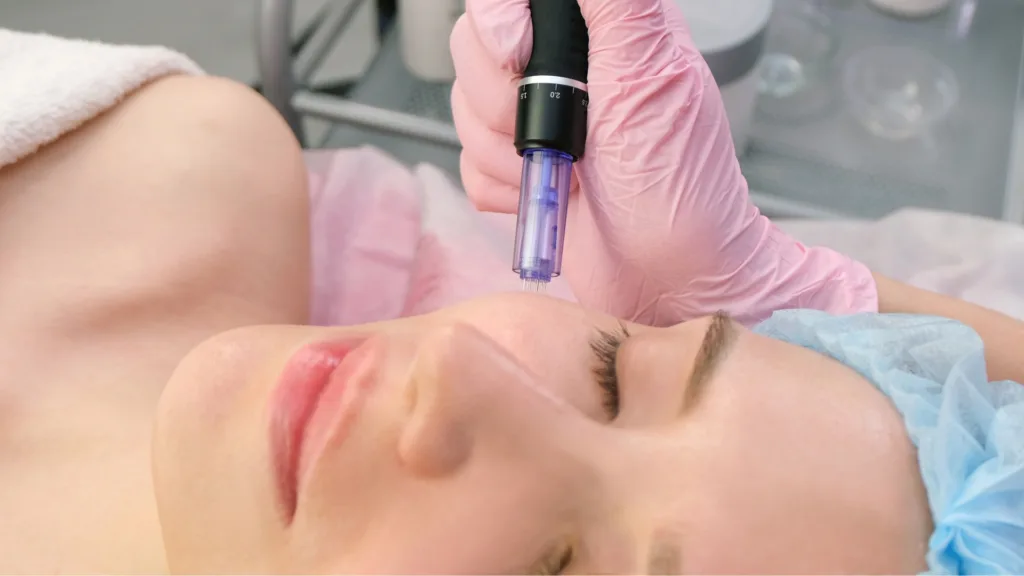
Microneedling is a collagen-induction treatment that uses fine, sterile needles to create controlled micro-injuries in the skin.
While that may sound intense, these tiny microchannels trigger the skin’s natural healing response, encouraging the production of collagen and elastin, two proteins responsible for keeping the skin firm, smooth, and resilient.
The reason why microneedling is widely used in advanced skincare treatments is its ability to improve product penetration.
The temporary microchannels created during treatment allow active ingredients to absorb more effectively into the skin.
That is one reason why some users might want to pair it with other products.
Can you use Bio-Oil after Micro-needling?
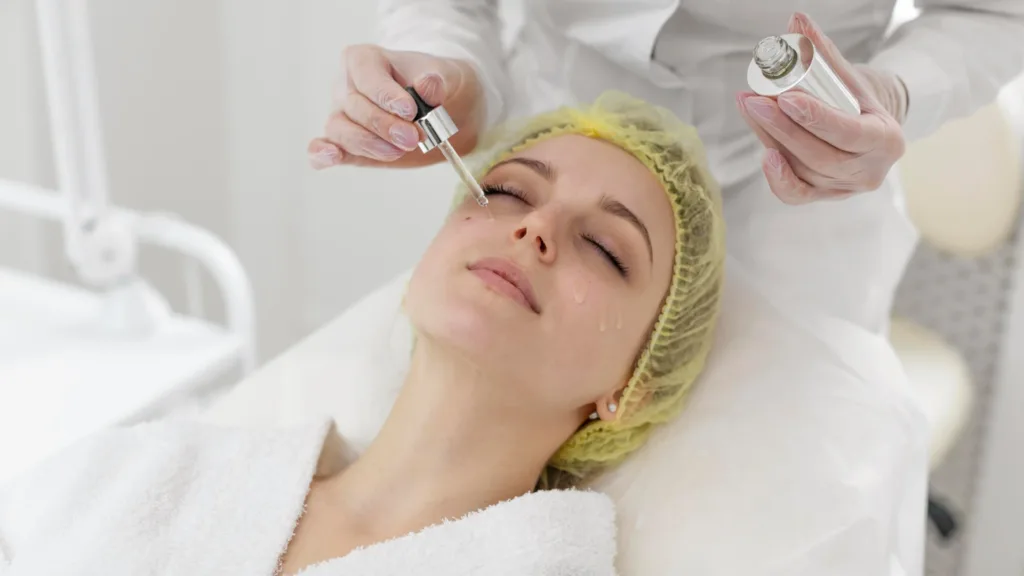
Using bio-oil after microneedling may be tricky.
After treatment, tiny microchannels remain open in the skin for a short time. During this stage, your skin barrier is weaker and more reactive, which means products that normally feel gentle can suddenly cause irritation or breakouts.
While some people use it later in the healing process without problems, applying it too soon may not be the best idea. Bio-Oil contains fragrance and oil-based ingredients that can feel too heavy or irritating for freshly treated skin.
In most cases, the issue is not necessarily the product itself, but the timing of when you use it.
Why your skin needs a break before you use Bio-Oil after Micro-needling
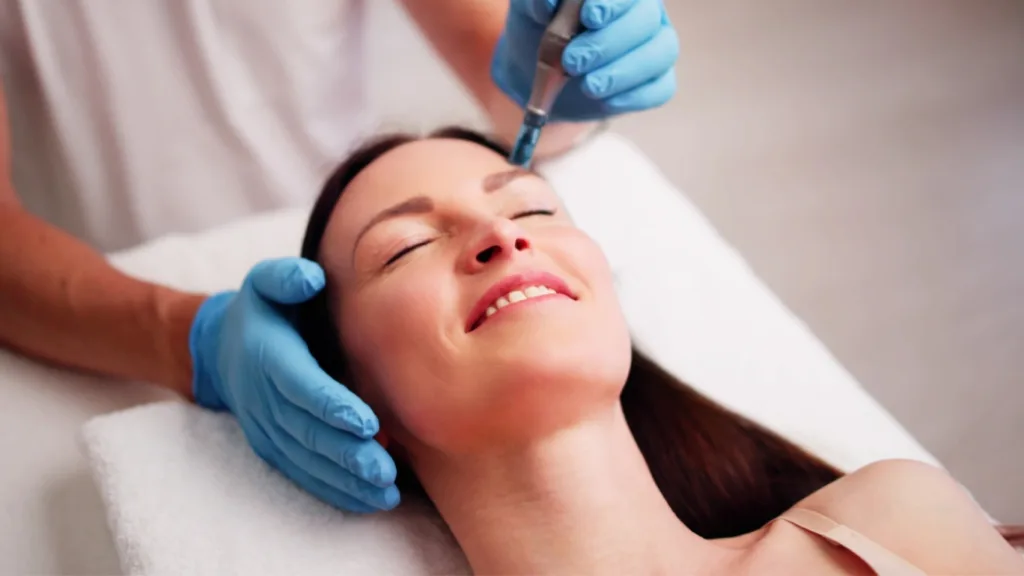
Microneedling is meant to refresh the skin, but the period right after treatment is when your skin is at its most delicate. Even though the needles are tiny, the treatment still creates controlled injury beneath the surface to stimulate repair and collagen production.
Because of this, your skin needs time to settle before returning to heavier skincare products.
Rushing into oils, active ingredients, or fragranced products like bio-oil too early can sometimes interfere with the recovery process instead of supporting it. This is why many professionals recommend keeping your routine simple during the first few days.
To understand the reason behind this, it helps to look at how microneedling affects the skin barrier.
What happens to the skin barrier after microneedling
The skin barrier acts like a shield that helps retain moisture while defending against outside irritants. After microneedling, this protective layer becomes temporarily disrupted as the skin begins repairing itself.
During this stage, it is common to experience redness, dryness, tightness, or mild sensitivity. Although these effects are usually temporary, they are signs that your skin is still recovering and it may not be the right time to use bio-oil.
Why open microchannels make skin more sensitive
Microneedling creates tiny pathways in the skin known as microchannels. For a short period after treatment, these channels allow skincare products to travel deeper into the skin than they normally would.
That increased absorption is not always beneficial.
Products containing fragrance, essential oils, or heavier ingredients may become more irritating when applied too soon. Since Bio-Oil contains both fragrance and oil-based components, some people notice stinging, congestion, or breakouts if they use it immediately after treatment.
Waiting until the skin has calmed down can help lower the chance of irritation and support a smoother recovery process.
The best time to start using Bio-Oil after Micro-Needling for healing
One of the most common questions after microneedling is not just what to use, but when to start using it again.
The answer depends on how your skin is healing. Instead of rushing to reintroduce your normal routine, it is usually better to let your skin guide the timing.
Signs your skin is ready for Bio-oil after Micro-Needling
In the early healing stage, most people notice redness, dryness, tightness, or mild flaking. As the skin recovers, these symptoms gradually settle down.
Your skin is usually in a better position to handle products like Bio-Oil once:
- redness has mostly faded
- stinging or tenderness is gone
- peeling has slowed down
- the skin feels comfortable again
If your skin still feels irritated or overly sensitive, it is generally a sign to wait a little longer.
Recommended waiting time after treatment
For many people, waiting at least 48 to 72 hours before using Bio-Oil is considered a safer approach. Some may prefer waiting closer to a week, especially if their skin is naturally sensitive or if the treatment was more intensive.
During this period, gentler products like fragrance-free moisturizers and hydrating serums are often a better option.
Recovery timelines for deeper microneedling sessions
Not all microneedling treatments are the same. Deeper RF microneedling used for acne scars or texture correction usually require a longer recovery period than lighter cosmetic treatments.
With such treatments, the skin may stay dry, flushed, or reactive for several extra days. In these cases, introducing heavier oils too early can sometimes slow down recovery rather than support it.
When in doubt, following your clinic’s aftercare instructions is usually the safest approach for your skin.
How to safely add Bio-Oil to your routine after Micro-needling
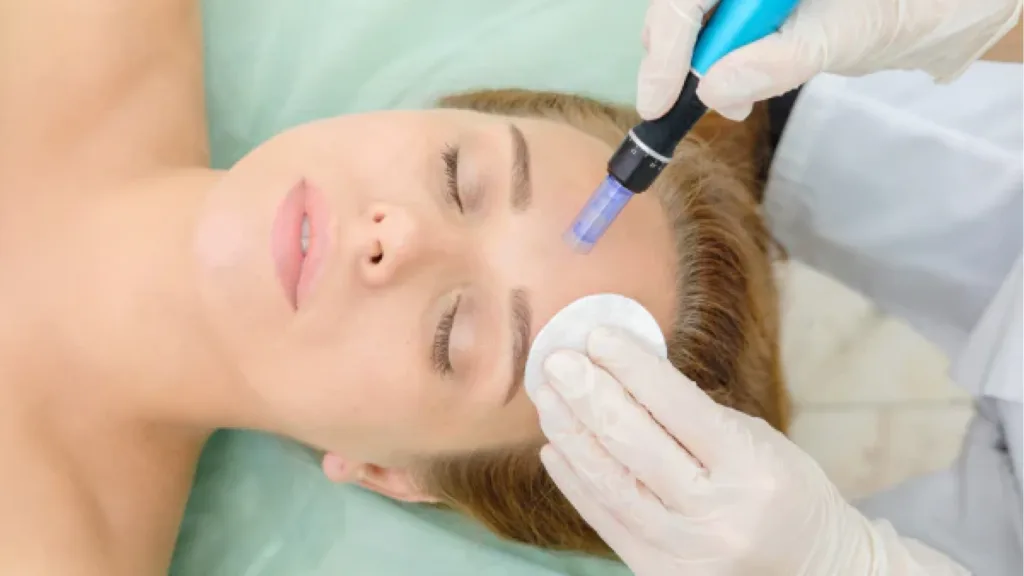
Once your skin feels calm and fully recovered, you can slowly reintroduce Bio-Oil into your routine instead of applying it heavily right away.
Start with a small amount and use it once daily to see how your skin responds. If you notice stinging, redness, congestion, or new breakouts, it may be better to stop and give your skin more time.
It also helps to keep the rest of your routine simple while reintroducing new products. Gentle cleansers, fragrance-free moisturizers, and hydrating serums are usually easier for healing skin to tolerate.
If you are unsure whether your skin is ready, patch testing on a small area first can help reduce the risk of irritation.
The risks of using Bio-Oil too soon after Micro-Needling
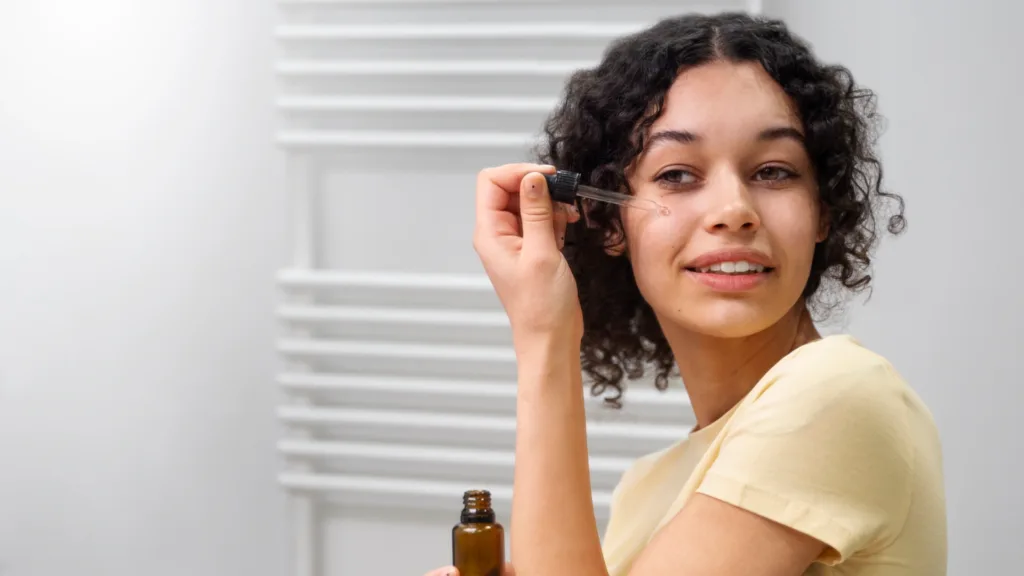
Knowing when to start using Bio-Oil is important, but understanding what can happen when it is used too early matters just as much.
Here are a few risks of using Bio Oil after Microneedling that you must be aware of:
Irritation and burning on compromised skin
Freshly treated skin can react more strongly to products than expected. Some people notice stinging, burning, or increased redness when heavier oils are introduced too soon after treatment.
If your skin already feels hot, tight, or uncomfortable, adding Bio-Oil immediately may make those symptoms worse.
Fragrance and essential oils after treatment
Bio-Oil contains fragrance and botanical ingredients that may not suit freshly treated skin. While these ingredients are not necessarily harmful for everyone, they can sometimes trigger sensitivity during the early healing stage.
This is especially important for people with reactive or easily irritated skin.
Breakouts, congestion, and clogged pores
Some people also find that richer oil-based products feel too heavy during recovery. This can lead to clogged pores, small bumps, or post-treatment breakouts, particularly if your skin is acne-prone.
Waiting until the skin feels calmer and more balanced usually lowers the risk of these reactions.
When a professional treatment is better than Bio-Oil for Deeper Skin Concerns
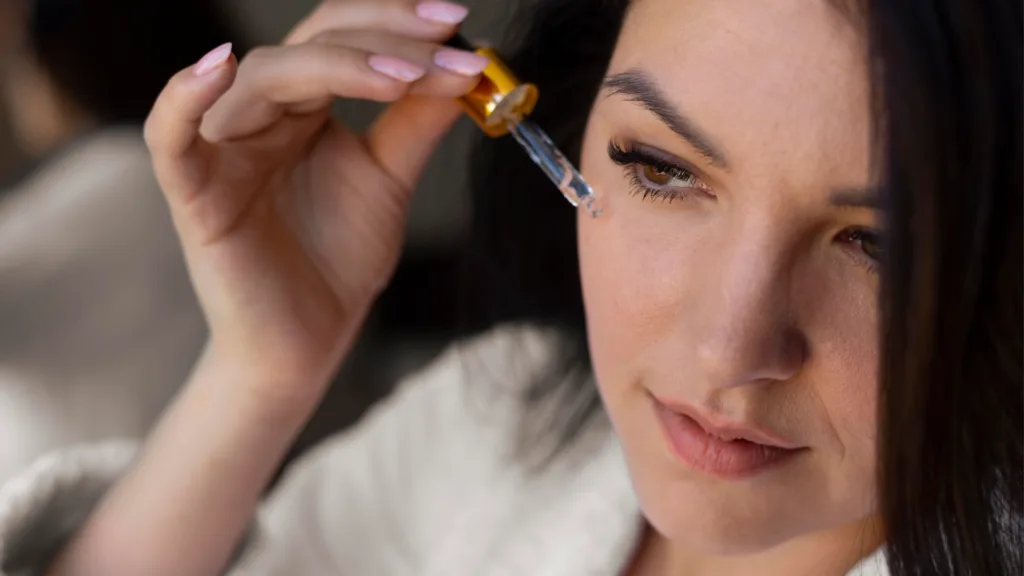
Bio-Oil may help support hydration and softness, but it is not always enough for complex skin concerns like acne scars, uneven texture, or more noticeable pigmentation.
In these cases, professional treatments such as medical microneedling, chemical peels, laser treatments, or customized skincare plans may provide more visible and long-term results.
A professional consultation can also help you choose safer aftercare products based on your skin type, sensitivity, and treatment depth instead of relying on trial and error during recovery.
Next steps for your glowing skin
Using Bio-Oil after microneedling is not necessarily wrong, but timing makes a big difference. Giving your skin enough time to recover first can help reduce the risk of irritation, breakouts, and unnecessary sensitivity during the healing process.
The safest approach is usually to keep your routine simple in the beginning, pay attention to how your skin responds, and slowly reintroduce heavier products once your skin feels calm again. When in doubt, following professional aftercare advice is always the better option.

If you are considering microneedling and want guidance tailored to your skin type and goals, Nano Beauty Star offers personalized consultations and advanced skin treatments designed to support both results and recovery.
Whether you are targeting acne scars, texture, pigmentation, or overall skin rejuvenation, the team at Nano Beauty Star can help you choose the right treatment plan and aftercare routine for healthier, glowing skin. You can also book a consultation to discuss your skin concerns and create a treatment plan tailored to your goals.
FAQs
Can I use Bio-Oil as a “slip” during the microneedling process?
Bio-Oil is generally not recommended as a slip product during microneedling. Because it contains fragrance and oil-based ingredients, it may increase irritation when pushed into freshly needled skin. Most professionals prefer sterile hyaluronic acid serums or treatment-specific glide products designed for post-procedure safety.
Will Bio-Oil help with skin scabbing or flaking?
Bio-Oil may help soften dryness and reduce the appearance of flaky skin once the healing process is further along. However, applying it too early while the skin is still raw or actively peeling can sometimes increase sensitivity. It is usually better to focus on gentle hydration first.
Can Bio-Oil clog pores after microneedling?
For some people, yes. Bio-Oil has a richer texture that may feel too heavy on freshly treated or acne-prone skin. Using it too soon after microneedling can sometimes lead to congestion, small bumps, or breakouts, especially if the skin is still healing and producing excess oil.
What products should you avoid after microneedling?
After microneedling, it is usually best to avoid strong exfoliants, retinol, acids, fragranced products, and harsh active ingredients for several days. Heavy makeup and overly rich skincare products may also irritate healing skin. Gentle cleansers, hydrating serums, and fragrance-free moisturizers are often safer choices early on.