Advanced Care for Timeless Confidence
Enhancing natural beauty through advanced aesthetic treatments and personalized care.
- Expert-led med spa and wellness treatments
- Customized care designed for lasting confidence
- Advanced technology for safe and effective results
You probably don’t notice your face changing overnight.
It’s usually something small.
One day, you’re getting ready in front of the mirror and realize your jawline doesn’t look quite as defined as it used to.
A few weeks later, you catch yourself pulling your skin back just to see what your face looked like a few years ago.
That moment is often what leads people to search for HIFU facial treatment. They want something that lifts and tightens the skin without surgery, but they also want to know if it actually works.
HIFU has become one of the most talked-about non-surgical skin tightening treatments because it targets the deeper layers of the skin where collagen is produced.
To help you decide if it’s the right treatment for you, we’ve put together a detailed overview of what a HIFU facial is, how it works, who it’s best suited for, the results you can expect, and what to know before booking your first session.
What is HIFU facial treatment?
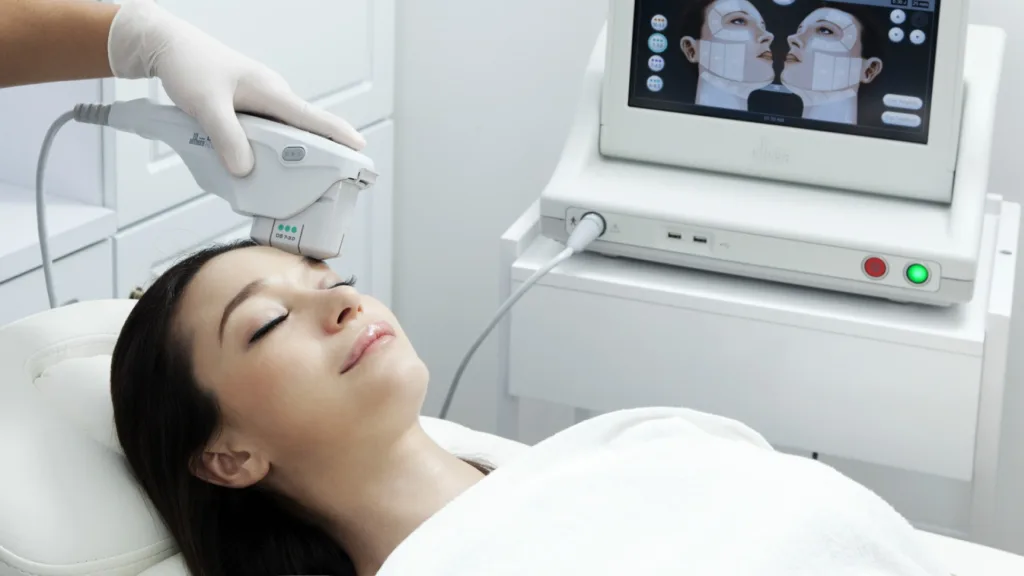
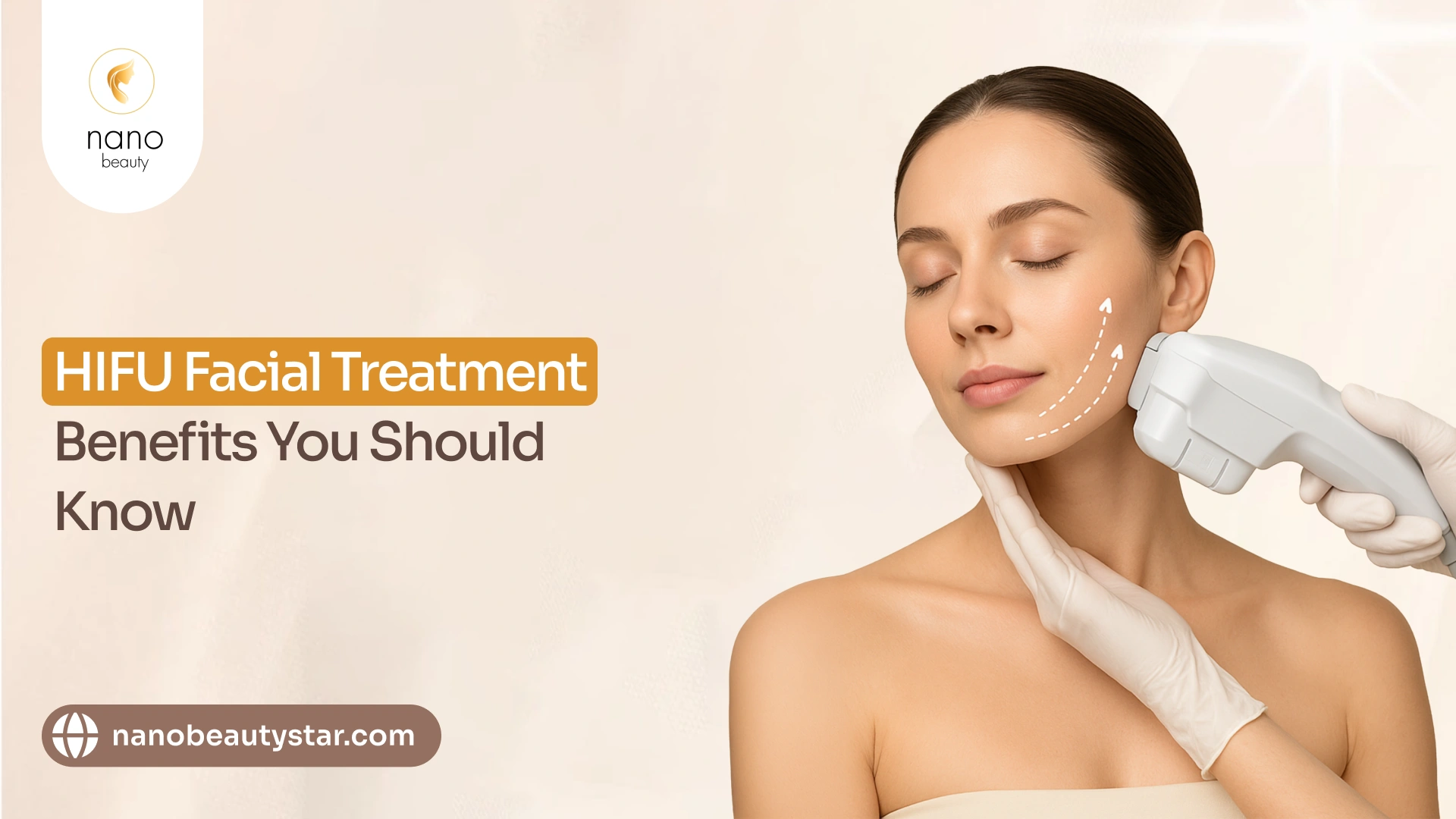
A HIFU facial, short for high-intensity focused ultrasound, is a non-surgical skin-tightening treatment that uses focused ultrasound energy to stimulate collagen production deep beneath the skin. As new collagen develops over the following weeks and months, the skin gradually becomes firmer, tighter, and more lifted.
Creams and traditional facials work on the skin’s surface, but HIFU targets deeper structural layers without needles or incisions. It is commonly used to improve mild to moderate skin laxity, define the jawline, soften fine lines, and create a more youthful appearance with little to no downtime.
While HIFU is often called a non-surgical facelift, its results are more subtle and develop gradually. The treatment works best for people looking to refresh their appearance and slow visible signs of aging rather than replace the dramatic results of cosmetic surgery.
What Does a HIFU Facial Do?
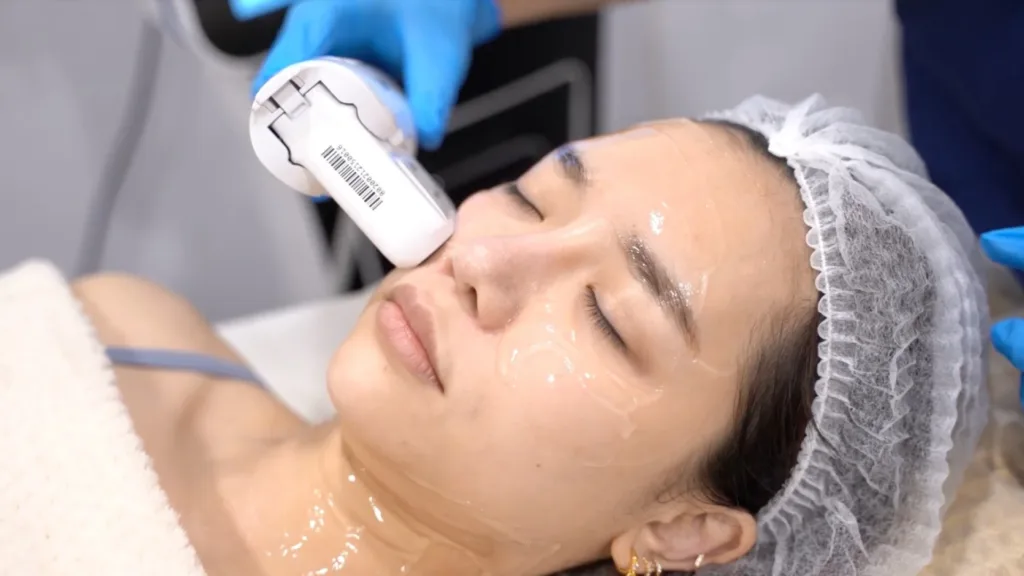
By stimulating collagen production deep beneath the surface, it gradually improves facial contours, skin firmness, and overall skin quality. While results vary from person to person, the treatment is commonly chosen to address early signs of aging without surgery or lengthy downtime.
Facial lifting
One of the main reasons people choose a HIFU facial is its lifting effect. By stimulating collagen production in the deeper layers of the skin, the treatment gradually improves facial contours and creates a firmer, more refreshed appearance. While the changes are subtle, many people notice better definition around the cheeks and lower face over the following months.
Jawline definition and Neck tightening
As collagen levels decline with age, the jawline can lose definition and the skin around the neck may begin to sag. HIFU facial treatment helps tighten these areas by encouraging the skin to produce new collagen, making the jawline appear more sculpted and the neck look firmer over time.
Fine lines
HIFU does not freeze facial muscles or fill wrinkles like injectables. Instead, it improves the skin’s natural support structure through collagen renewal. This can soften the appearance of fine lines, particularly around the forehead, eyes, and mouth, while maintaining natural facial movement.
Mild skin laxity
HIFU works best for people with mild to moderate skin laxity who are beginning to notice early signs of aging. It can improve loose skin on the face and neck, but it is not intended to treat severe sagging or replace the results of a surgical facelift.
Skin firmness
Collagen is responsible for keeping skin firm, smooth, and elastic. By stimulating new collagen production, HIFU gradually improves overall skin firmness and texture. Many patients notice their skin feels tighter and more resilient as results continue to develop over several weeks and months.
How Does a HIFU Ultrasound Facial Work?
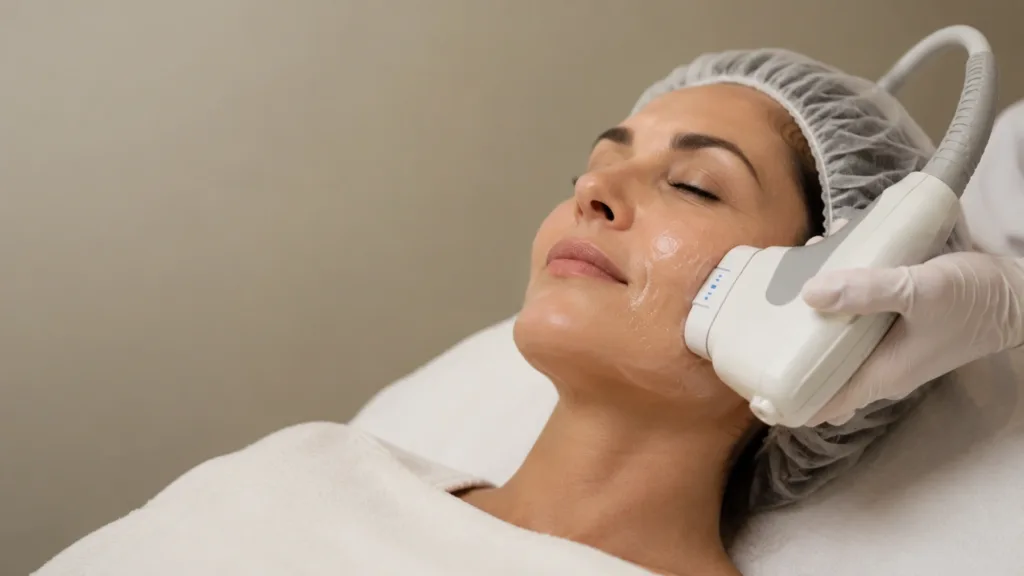
A HIFU ultrasound facial uses focused ultrasound energy to target specific layers beneath the skin without affecting the surface. Unlike treatments that work only on the outer skin, HIFU reaches the deeper structural layers responsible for skin support.
Here’s how the technology works:
Step 1: Ultrasound Energy Reaches Targeted Skin Layers
The HIFU device delivers focused ultrasound energy at predetermined depths beneath the skin without damaging the surface.
Step 2: Controlled Heat Is Created
The ultrasound energy creates precise thermal points within the targeted tissue, while the surrounding skin remains unaffected.
Step 3: Collagen Production Is Stimulated
The controlled heat activates the body’s natural healing response, encouraging fibroblasts to produce new collagen and elastin.
Step 4: Skin Becomes Firmer Over Time
As fresh collagen develops during the following weeks and months, the skin gradually becomes tighter, firmer, and better supported, resulting in improved facial contours.
This process allows HIFU to improve concerns such as loose skin, reduced jawline definition, and early signs of aging with little to no downtime.
Areas Treated by HIFU
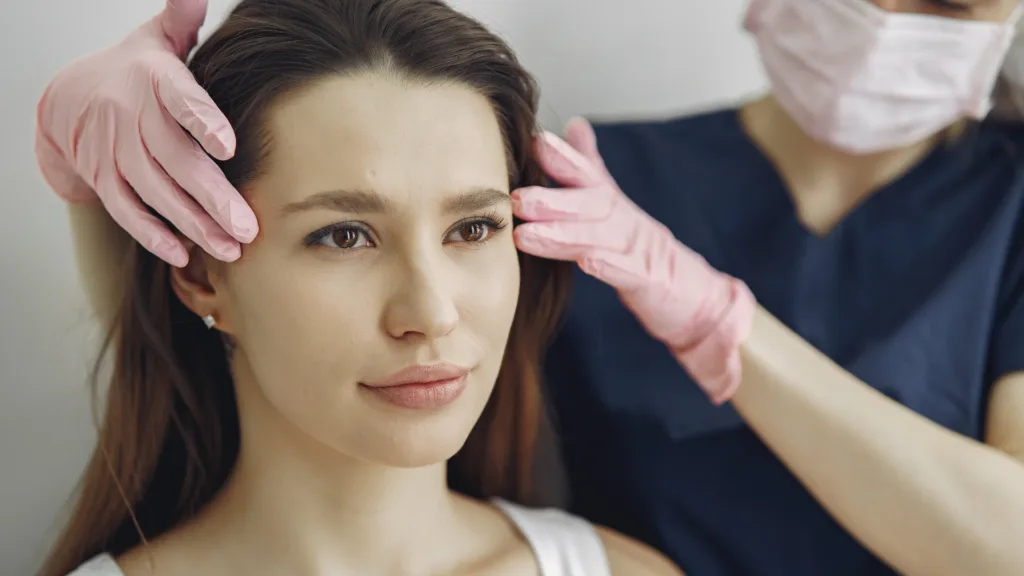
One of the reasons HIFU facial treatment is so popular is its versatility. It can be used to improve skin firmness and definition in several areas of the face and neck. Depending on your goals, your practitioner may recommend treating one area or combining multiple areas during the same session.
Common treatment areas include:
- Forehead: Helps create a subtle brow-lifting effect and softens forehead lines.
- Around the Eyes: Tightens the delicate skin around the eyes, reducing the appearance of hooded eyelids and crow’s feet.
- Cheeks: Improves firmness and restores a more lifted, youthful appearance.
- Jawline: Enhances definition and helps reduce the appearance of early jowls.
- Chin: Targets mild skin laxity beneath the chin for a more sculpted profile.
- Neck: Tightens loose skin and improves overall neck contour.
- Décolletage: Improves skin texture and firmness on the upper chest, where signs of aging often become noticeable.
The areas that can be treated depend on your skin condition, treatment goals, and your practitioner’s assessment. A consultation helps determine which areas are most likely to benefit from HIFU and whether the treatment is suitable for your needs.
Who Is a Good Candidate for HIFU Facial Treatment?
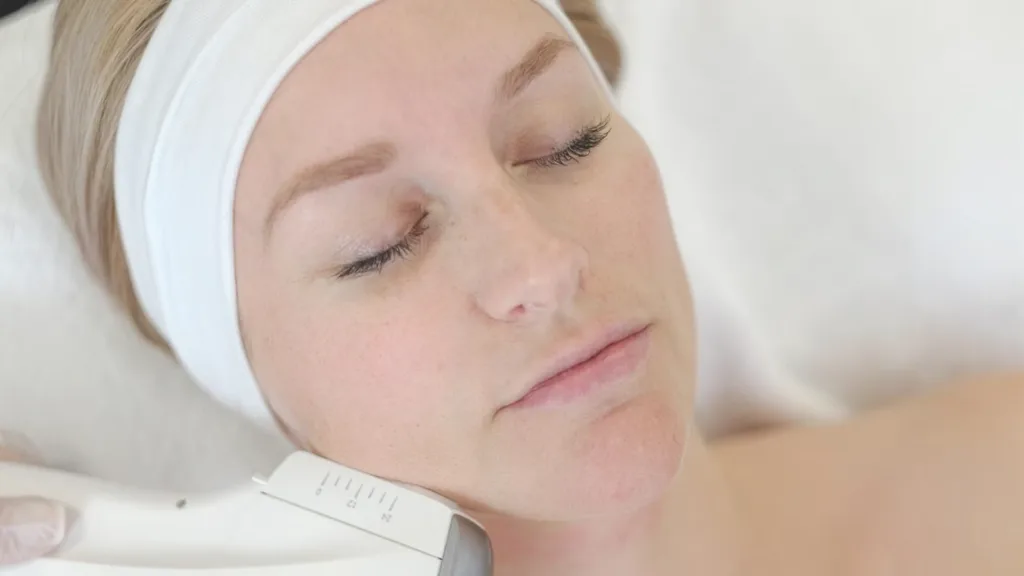
HIFU facial treatment is best suited for people who are beginning to notice mild to moderate signs of aging but are not ready for surgical procedures. It works by improving skin firmness over time, making it a popular choice for those who want natural-looking results with little to no downtime.
You may be a good candidate if you:
- Have mild to moderate skin laxity on the face or neck.
- Want a more defined jawline or subtle facial lifting without surgery.
- Have fine lines or early wrinkles that you’d like to improve.
- Prefer a non-invasive treatment with minimal recovery time.
- Have realistic expectations and understand that results develop gradually.
HIFU may not be the best option for everyone. People with severe skin sagging, active skin infections, open wounds, or certain medical conditions may require a different treatment approach. A consultation with a qualified practitioner can determine whether HIFU is suitable for your skin concerns and whether another treatment would provide better results.
Does a HIFU facial hurt?
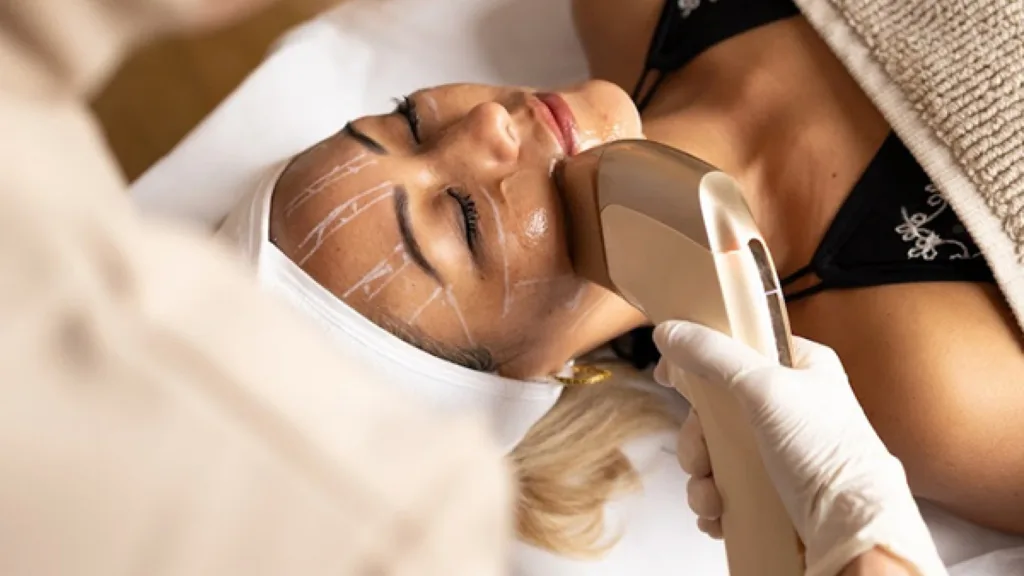
Most people describe a HIFU facial as mildly uncomfortable rather than painful. During the treatment, you may feel brief sensations of warmth, tingling, or tiny pinpricks as the ultrasound energy reaches the deeper layers of the skin. These sensations are a normal sign that the treatment is stimulating collagen production.
The level of discomfort varies from person to person and depends on the treatment area, energy settings, and individual pain tolerance. Areas with less fat, such as the jawline or forehead, may feel more sensitive than the cheeks.
The discomfort only lasts while the energy is being delivered, and most people can return to their normal activities immediately after the session. If you’re concerned about pain, your practitioner can adjust the treatment settings to improve your comfort while maintaining effective results.
Is a HIFU facial safe?
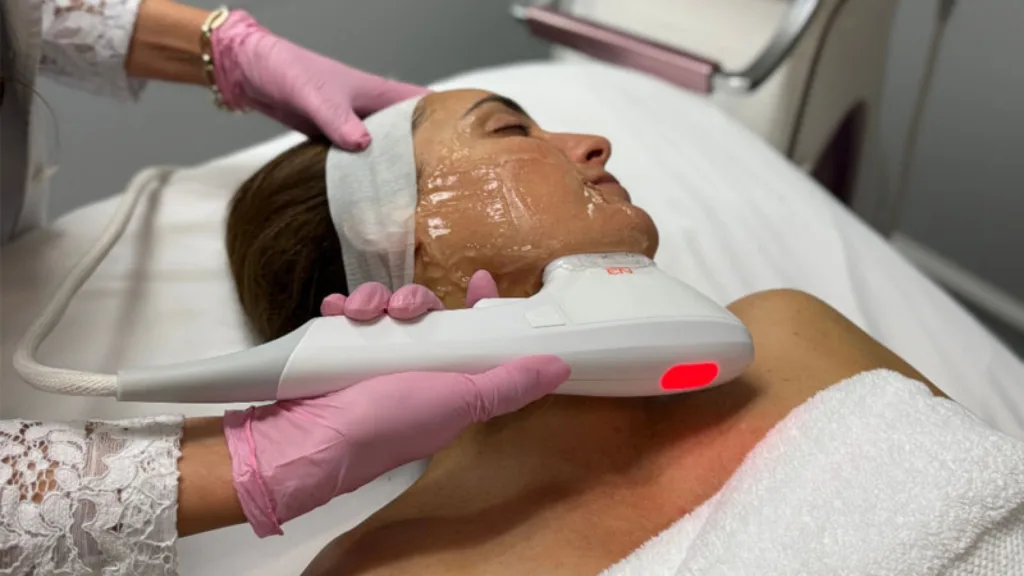
Yes, HIFU facial treatment is generally considered safe when performed by a trained and experienced practitioner using an approved device. The treatment has been widely used for non-surgical skin tightening and facial rejuvenation, with little to no downtime.
Because HIFU targets specific layers beneath the skin without damaging the surface, most side effects are mild and temporary. You may experience slight redness, swelling, tenderness, or tingling immediately after treatment, but these effects usually resolve within a few hours or days.
As with any cosmetic procedure, the results and safety of HIFU depend on proper patient selection and treatment technique. Choosing a qualified practitioner and attending a consultation beforehand helps ensure the treatment is appropriate for your skin concerns and reduces the risk of complications.
How many HIFU sessions do you need?
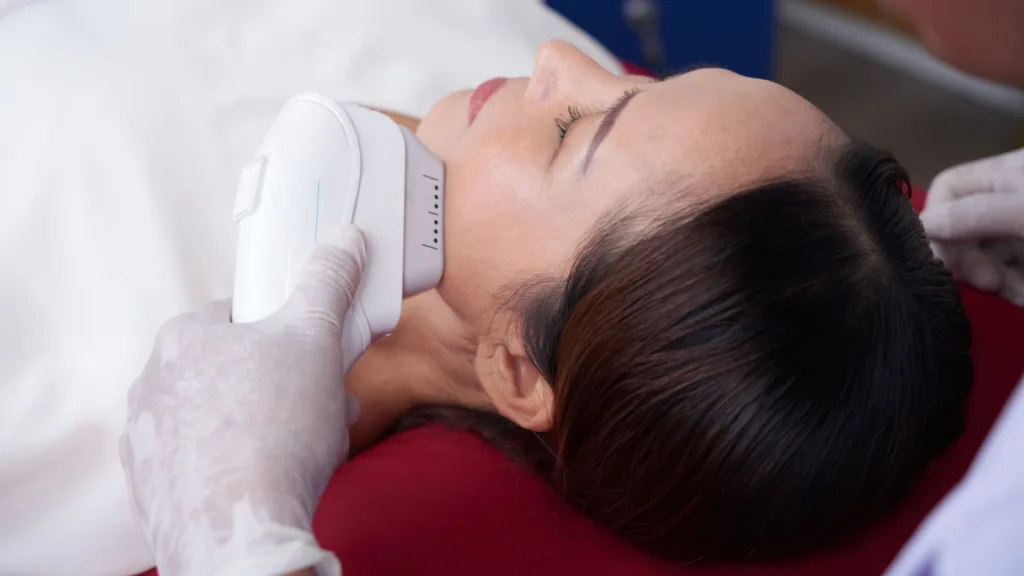
One of the biggest advantages of HIFU facial treatment is that many people achieve noticeable results after just one session. However, the exact number of treatments depends on your age, skin condition, and the level of skin laxity being addressed.
People with mild skin laxity often benefit from a single treatment followed by maintenance sessions as needed. Those with more noticeable skin laxity or advanced signs of aging may require an additional session several months later to achieve their desired results.
During your consultation, your practitioner will assess your skin and recommend a treatment plan tailored to your goals rather than using the same approach for every patient.
How Long Does a HIFU Facial Last?
One of the most common questions people ask is how long they can expect their results to last. While everyone’s skin ages differently, the effects of a HIFU facial typically last 12 to 18 months after a full course of treatment.
Results don’t appear overnight. As your body gradually produces new collagen, improvements usually become noticeable within 4 to 8 weeks, with the full lifting and tightening effect developing over the next 2 to 3 months.
How long your results last depends on factors such as your age, skin quality, lifestyle, and the natural aging process. Many people choose to have a maintenance treatment every 12 to 18 months to help preserve their results and keep their skin looking firm and refreshed.
Types of HIFU Facial Treatments
Not all HIFU facial treatments use the same device. Over the years, manufacturers have introduced newer generations with different features, treatment modes, and designs. While they all use focused ultrasound energy to stimulate collagen production, understanding these variations can help you better compare the options available at different clinics.
Multi-Dimensional HIFU Technology
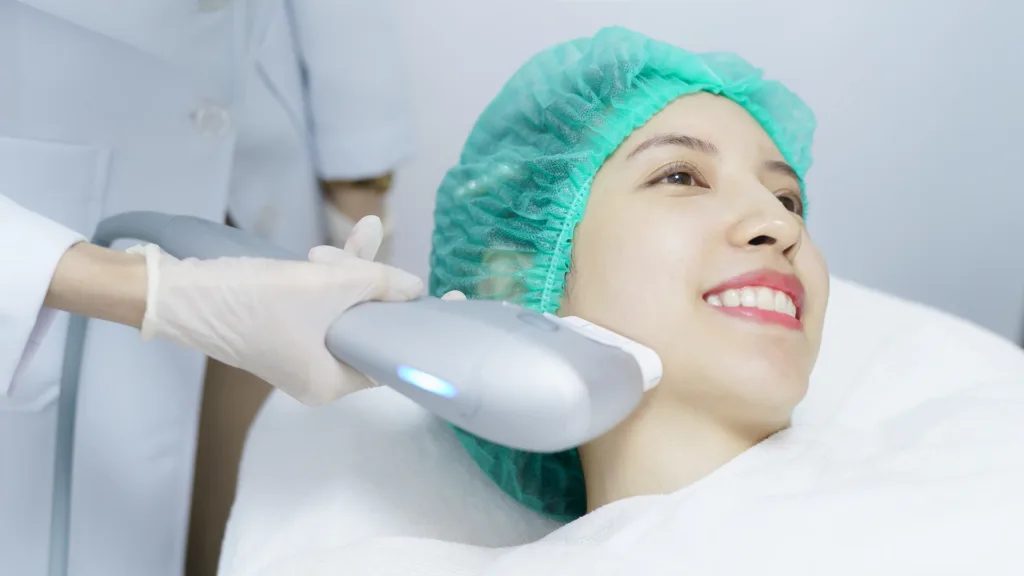
The terms 3D, 4D, 6D, 7D, 9D, 12D, and 14D HIFU refer to different generations or configurations of HIFU devices. While they all use focused ultrasound energy to stimulate collagen production, newer systems may offer improved precision, faster treatment times, or additional treatment depths.
3D HIFU Facial
A 3D HIFU facial is one of the earlier generations of HIFU technology used for non-surgical skin tightening. It helps improve skin firmness and facial contours by stimulating collagen production beneath the skin.
4D HIFU Facial
A 4D HIFU facial builds on traditional HIFU technology by allowing more flexible treatment patterns and improved coverage. It is often used to tighten loose skin while enhancing comfort and treatment efficiency.
6D HIFU Facial
A 6D HIFU facial is designed to improve treatment efficiency by offering more treatment modes and greater precision. It is often used to address fine lines, loose skin, and early signs of aging.
7D HIFU Facial
A 7D HIFU facial is one of the most widely used modern HIFU systems. It is known for faster treatment times, improved precision, and the ability to customize treatments for different facial concerns.
9D HIFU Facial
A 9D HIFU facial provides additional treatment options and enhanced customization. Many clinics use it for facial lifting, jawline definition, and skin tightening while aiming to improve patient comfort.
12D HIFU Facial
A 12D HIFU facial represents a newer generation of HIFU technology designed to improve efficiency and versatility. Depending on the device, it may offer quicker treatments and more treatment options while maintaining the same core treatment principle.
14D HIFU Facial
A 14D HIFU facial is among the latest HIFU technologies available in some clinics. Manufacturers often promote it for smoother energy delivery, improved comfort, and faster treatment sessions.
Mini HIFU Facial
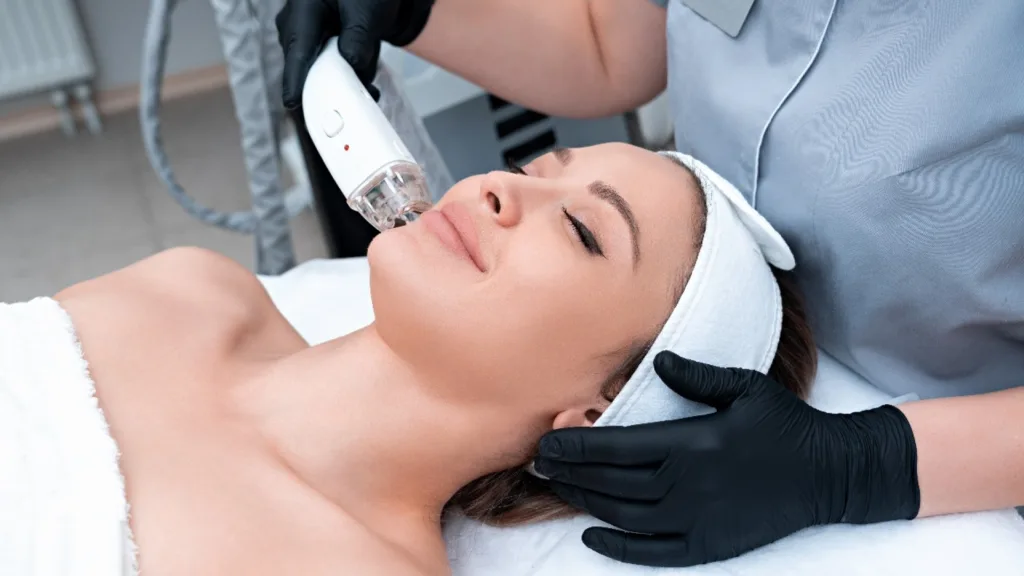
A Mini HIFU facial is designed for smaller, more delicate areas that require greater precision. Using compact applicators, the treatment targets areas such as around the eyes, lips, jawline, and under the chin, where early signs of aging often become noticeable first.
Mini HIFU focuses on localized concerns rather than overall facial rejuvenation. It is commonly chosen to improve mild skin laxity, enhance jawline definition, or provide a subtle lifting effect around the brows and eyes without treating the entire face.
Mini HIFU is often recommended for younger patients looking to prevent early skin laxity or for those who want to maintain the results of previous HIFU treatments. During your consultation, your practitioner can determine whether a targeted Mini HIFU treatment or a full-face procedure is more appropriate for your skin goals.
RF HIFU Facial
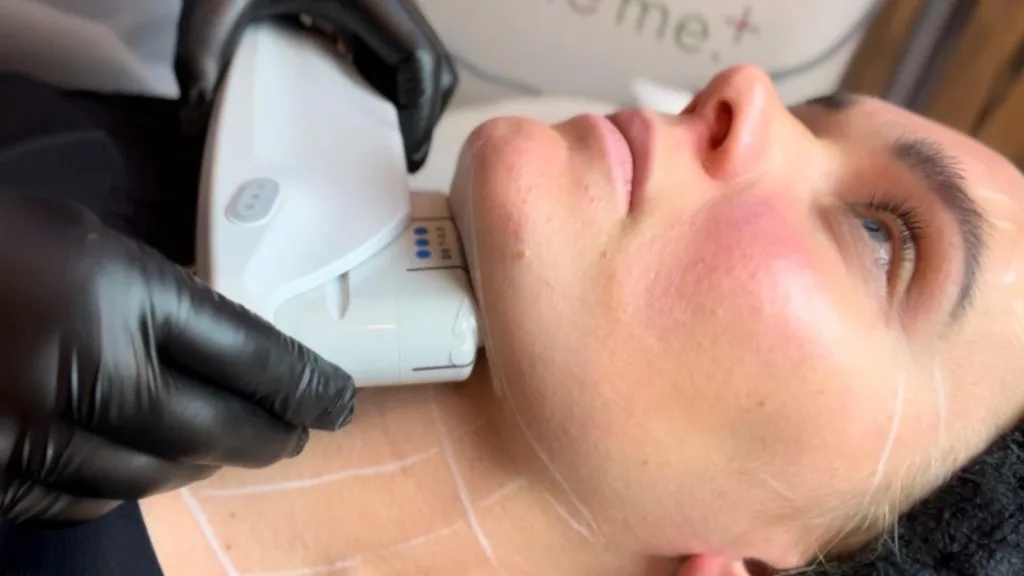
An RF HIFU facial combines High-Intensity Focused Ultrasound (HIFU) with radiofrequency (RF) technology to treat different layers of the skin during the same session. While HIFU stimulates collagen production in the deeper structural layers, RF focuses on the more superficial layers to improve skin texture, firmness, and overall quality.
Because the two technologies work at different depths, an RF HIFU facial may be recommended for people with multiple concerns, such as mild skin laxity, uneven texture, enlarged pores, and fine lines. Combining both treatments can provide a more comprehensive approach to facial rejuvenation than using either technology alone.
Not every clinic offers RF HIFU facial treatments, and the technology varies between manufacturers. During your consultation, ask which device will be used, what technologies it combines, and whether the treatment is suitable for your skin type and aesthetic goals. This helps ensure you understand exactly what is included in your treatment plan.
How Often Should You Have a HIFU Facial?
There is no fixed schedule for HIFU facial treatments because everyone’s skin ages differently. For many people, a single treatment can provide noticeable improvement, with maintenance sessions recommended every 12 to 18 months to help preserve the results.
The ideal timing depends on factors such as your age, skin condition, lifestyle, and how quickly your body naturally produces and loses collagen. Your practitioner will assess your skin during follow-up visits and recommend maintenance treatments only when they are likely to provide additional benefit.
What to Expect Before and After a HIFU Facial
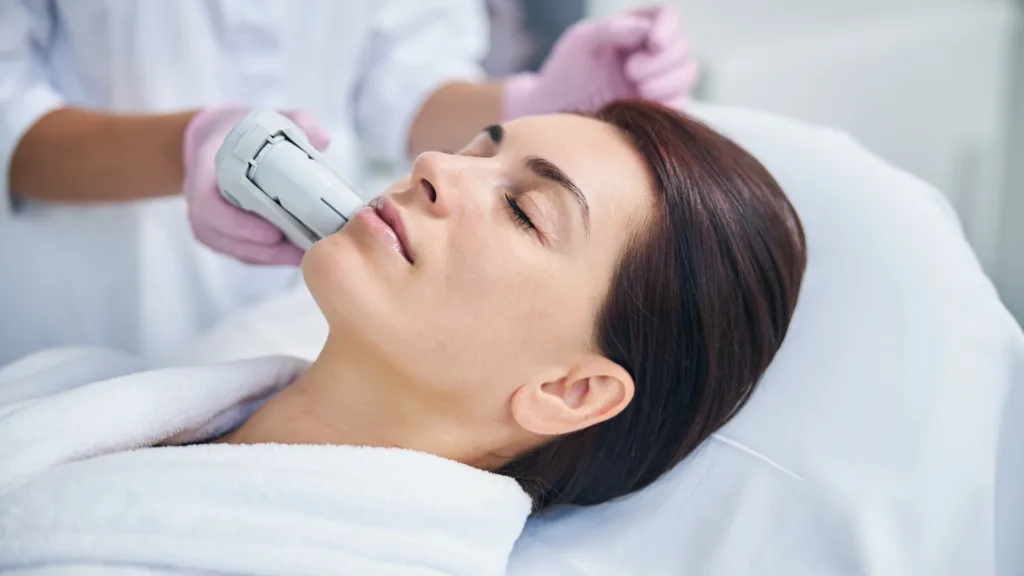
Knowing what happens before, during, and after your appointment can help you feel more confident about the treatment. A HIFU facial requires very little preparation and involves minimal downtime, making it a convenient option for people with busy schedules.
Consultation
Your appointment begins with a consultation to discuss your skin concerns, medical history, and treatment goals. The practitioner will examine your skin, determine whether HIFU is the right option, and explain the areas that can be treated along with the expected results.
Treatment day
On the day of your appointment, your skin will be cleansed, and a layer of ultrasound gel will be applied to help the device deliver energy accurately. The practitioner will move the HIFU handpiece across the treatment areas while delivering focused ultrasound energy beneath the skin. Depending on the areas being treated, the session usually takes 30 to 90 minutes.
Aftercare
Most people can return to their normal routine immediately after treatment. Mild redness, slight swelling, or tenderness may occur but usually settles within a few hours or days. Your practitioner may recommend avoiding excessive sun exposure, heat treatments, and harsh skincare products for a short period while your skin recovers.
When You See Results
HIFU works gradually by stimulating your body’s natural collagen production. Some people notice subtle improvements within a few weeks, but the most visible lifting and tightening effects typically appear after 2 to 3 months as new collagen continues to develop.
Is HIFU a Laser Facial?
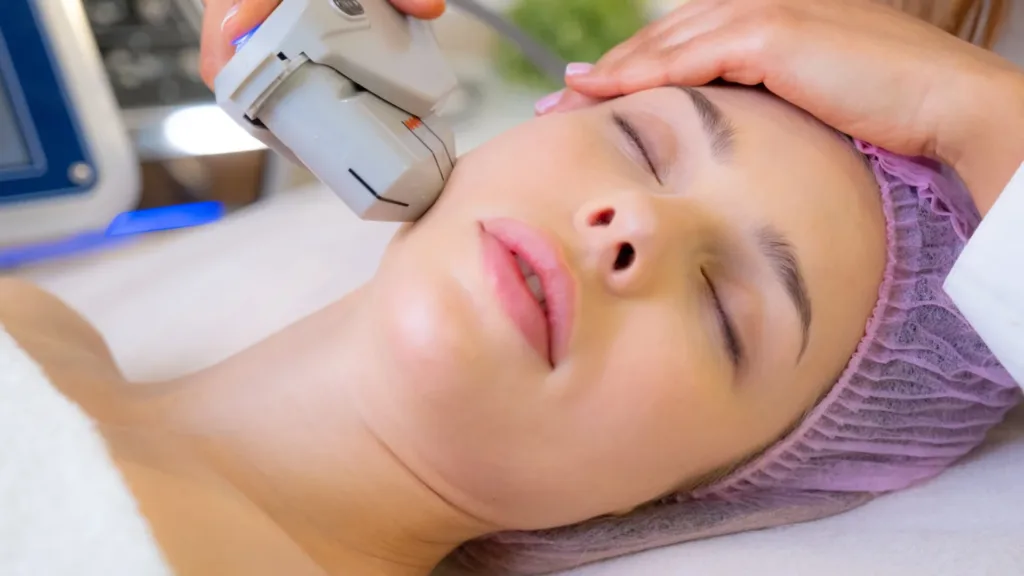
No. Although many people search for a HIFU laser facial, HIFU is not a laser treatment. Instead of using light energy, HIFU uses high-intensity focused ultrasound to deliver energy beneath the skin, stimulating collagen production without damaging the surface.
Laser treatments primarily target the outer layers of the skin to improve concerns such as pigmentation, sun damage, and uneven texture. HIFU, on the other hand, reaches deeper structural layers to tighten loose skin, improve facial contours, and create a gradual lifting effect. While both treatments can rejuvenate the skin, they work in different ways and are often recommended for different concerns.
HIFU Facial vs RF Microneedling vs Surgical Facelift
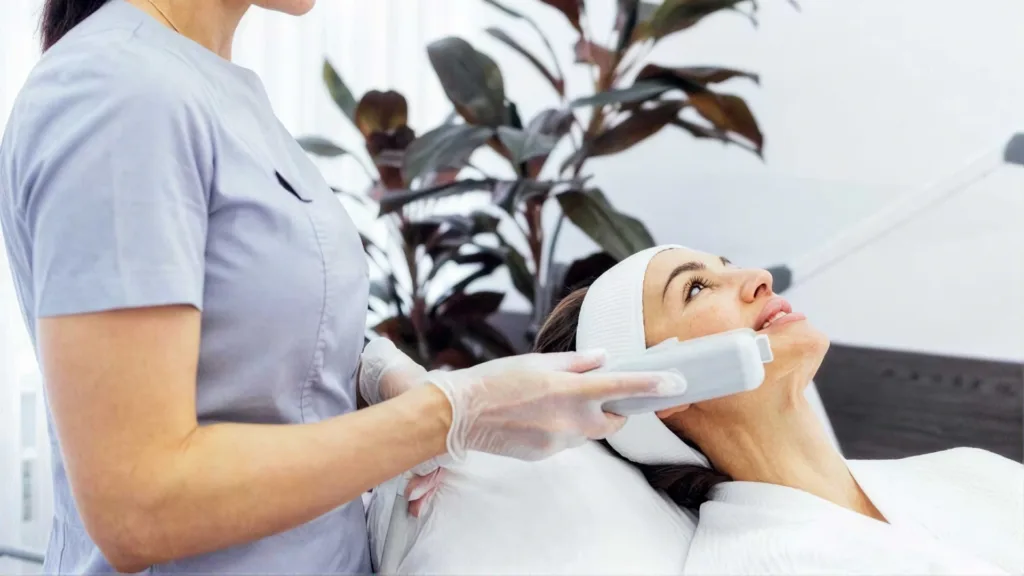
If you’re considering facial rejuvenation, HIFU isn’t the only option. RF microneedling and surgical facelifts are also popular treatments, but each works differently and is suited to different skin concerns and expectations.
| Feature | HIFU Facial | RF Microneedling | Surgical Facelift |
| Best for | Mild to moderate skin laxity | Fine lines, acne scars, skin texture, and mild skin tightening | Moderate to severe skin sagging |
| How it works | Focused ultrasound stimulates collagen deep beneath the skin | Microneedles and radiofrequency stimulate collagen at multiple skin depths | Removes excess skin and tightens underlying facial tissues |
| Downtime | Little to none | 1 to 3 days | Several weeks |
| Results | Gradual improvement over 2 to 3 months | Gradual improvement over several weeks | Immediate structural lifting with continued healing |
| Longevity | Around 12 to 18 months | Around 6 to 12 months with maintenance | Several years |
| Invasiveness | Non-invasive | Minimally invasive | Surgical |
HIFU is ideal for people with early signs of aging who want a subtle lifting effect without surgery or downtime. RF microneedling is often a better choice for improving skin texture, acne scars, enlarged pores, and fine lines while also providing mild skin tightening. A surgical facelift delivers the most dramatic and long-lasting results but involves anesthesia, incisions, and a longer recovery period.
The right treatment depends on your skin condition, aesthetic goals, and the results you hope to achieve. A consultation with a qualified practitioner can help determine which option is the best fit for your needs.
Is HIFU Facial Treatment Worth It?
If you’re looking for a way to lift and tighten your skin without surgery, HIFU facial treatment can be a worthwhile option. It won’t deliver the dramatic changes of a surgical facelift, but it can improve skin firmness, enhance facial contours, and soften early signs of aging by stimulating your body’s natural collagen production.
The best results are typically seen in people with mild to moderate skin laxity who have realistic expectations. Since the effects develop gradually, HIFU offers subtle, natural-looking rejuvenation rather than an instant transformation. A consultation with an experienced practitioner can help determine whether it’s the right treatment for your skin concerns and goals.
If you’re considering a HIFU facial, the team at Nano Beauty Star can assess your skin, answer your questions, and recommend a treatment plan tailored to your needs. Every consultation is designed to help you understand your options before making a decision.
Ready to achieve firmer, more youthful-looking skin? Book your consultation with Nano Beauty Star today and discover whether HIFU facial treatment is the right choice for you.
FAQs
Is HIFU better than a facelift?
It depends on your goals. HIFU is ideal for people with mild to moderate skin laxity who want subtle lifting without surgery or downtime. A surgical facelift provides more dramatic and longer-lasting results but involves incisions, anesthesia, and a longer recovery period.
Can HIFU damage facial fat?
When performed correctly by a qualified practitioner, HIFU is designed to target specific tissue layers without damaging facial fat. However, using inappropriate settings or treating unsuitable candidates may increase the risk of unwanted fat loss, making practitioner experience an important factor.
Can I wear makeup after HIFU?
Yes, most people can wear makeup within 24 hours after a HIFU facial, provided there is no significant redness or skin sensitivity. Your practitioner may recommend waiting until the following day and using gentle skincare products to avoid unnecessary irritation.
Can HIFU be combined with Botox or fillers?
Yes, HIFU can be combined with Botox or dermal fillers as part of a personalized facial rejuvenation plan. In many cases, HIFU is performed first, followed by injectables after an appropriate interval, depending on your treatment goals and your practitioner’s recommendations.
When will I see full HIFU results?
Some people notice subtle improvements within four to eight weeks, but full results usually develop over two to three months as new collagen forms beneath the skin. The lifting and tightening effects continue to improve gradually, giving the skin a natural-looking refresh.