Advanced Care for Timeless Confidence
Enhancing natural beauty through advanced aesthetic treatments and personalized care.
- Expert-led med spa and wellness treatments
- Customized care designed for lasting confidence
- Advanced technology for safe and effective results
Secret RF vs Ultherapy is one of the most common comparisons people make when looking for a non-surgical way to improve their skin.
Both treatments are designed to stimulate collagen production and address visible signs of aging, but they use completely different technologies to achieve those results.
For some, the priority is smoother skin texture and acne scar improvement. Others are more focused on lifting loose skin around the cheeks, jawline, or neck.
Understanding how each treatment works can make it much easier to choose the one that aligns with your goals.
In this guide, we’ll compare Secret RF Microneedling and Ultherapy side by side, covering their technology, treatment areas, recovery time, expected results, and the factors that can help you decide which option may be a better fit.
Let’s get into it!
What is Secret RF Microneedling?
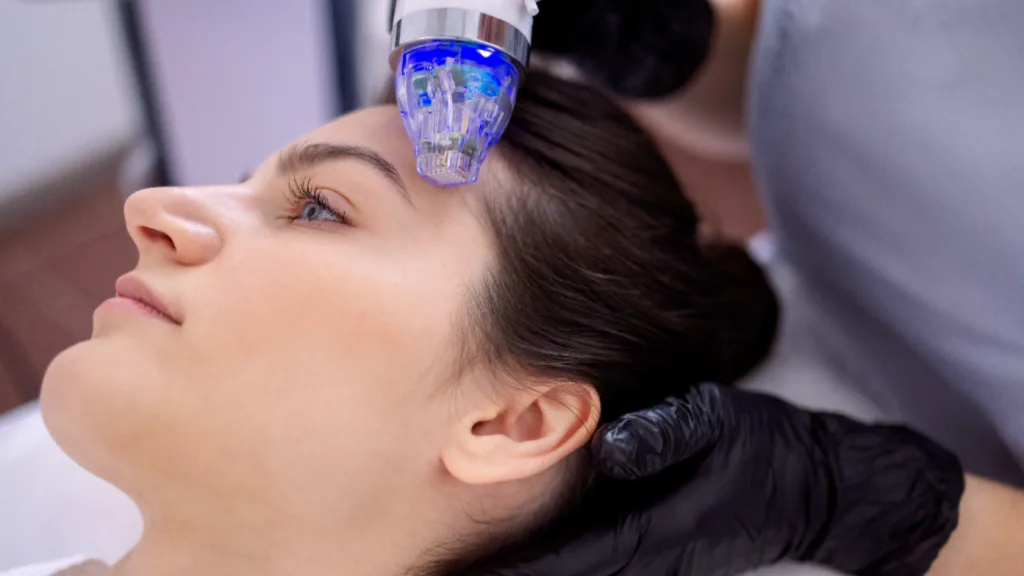
Secret RF Microneedling is a minimally invasive skin rejuvenation treatment that combines traditional microneedling with radiofrequency (RF) energy. As ultra-fine needles create controlled micro-injuries in the skin, RF energy is delivered into the deeper layers, stimulating the production of collagen and elastin.
The treatment is commonly used to improve acne scars, fine lines, enlarged pores, uneven skin texture, stretch marks, and mild skin laxity.
Because the energy can be adjusted to different depths, Secret RF can be customized to address a wide range of skin concerns while minimizing damage to the surrounding tissue.
One of the reasons Secret RF has become increasingly popular is that it offers noticeable skin improvement with relatively little downtime. Most people experience temporary redness and mild swelling for a few days before the skin gradually becomes smoother, firmer, and more refined over the following weeks as new collagen develops.
What is Ultherapy?
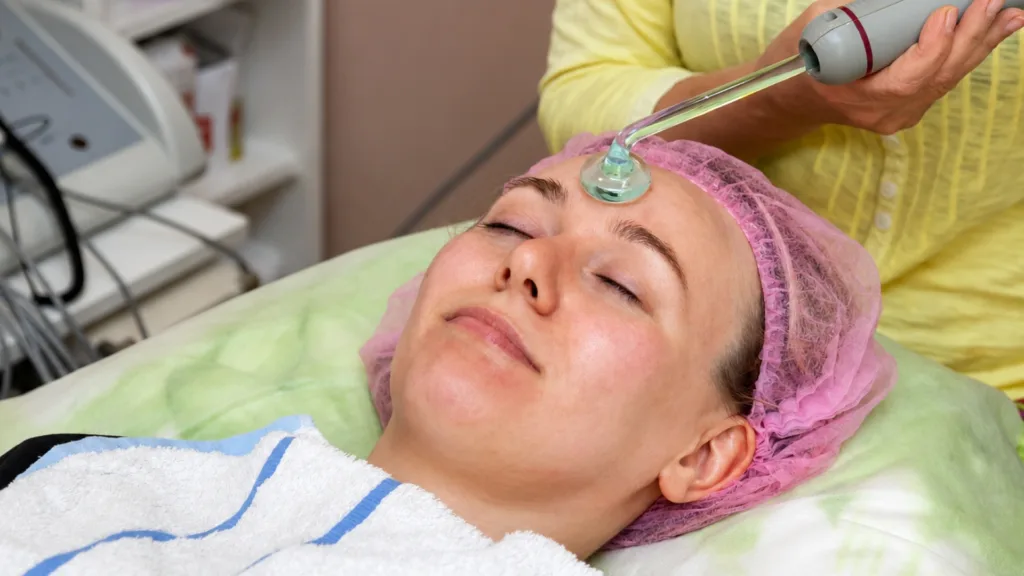
Ultherapy is a non-surgical skin tightening treatment that uses focused ultrasound energy to stimulate collagen production deep beneath the skin’s surface.
It reaches the foundational tissue often associated with skin lifting procedures without the need for incisions or significant downtime.
The treatment is commonly used to improve mild to moderate skin laxity on the face, neck, jawline, and under the chin. It can also help soften the appearance of lines and wrinkles on the décolletage, making it a popular option for individuals looking for a subtle lifting and tightening effect.
Because collagen remodeling takes time, the results from Ultherapy develop gradually over the following months. Most people can return to their normal routine immediately after treatment, with only mild redness, swelling, or tenderness that typically resolves within a short period.
Secret RF vs Ultherapy: Key Comparison
While both Secret RF and Ultherapy are designed to stimulate collagen production and improve signs of aging, they differ in several important ways. Understanding how they compare in terms of technology, treatment areas, recovery, and expected results can help you determine which option is better suited to your skin goals.
Treatment Technology
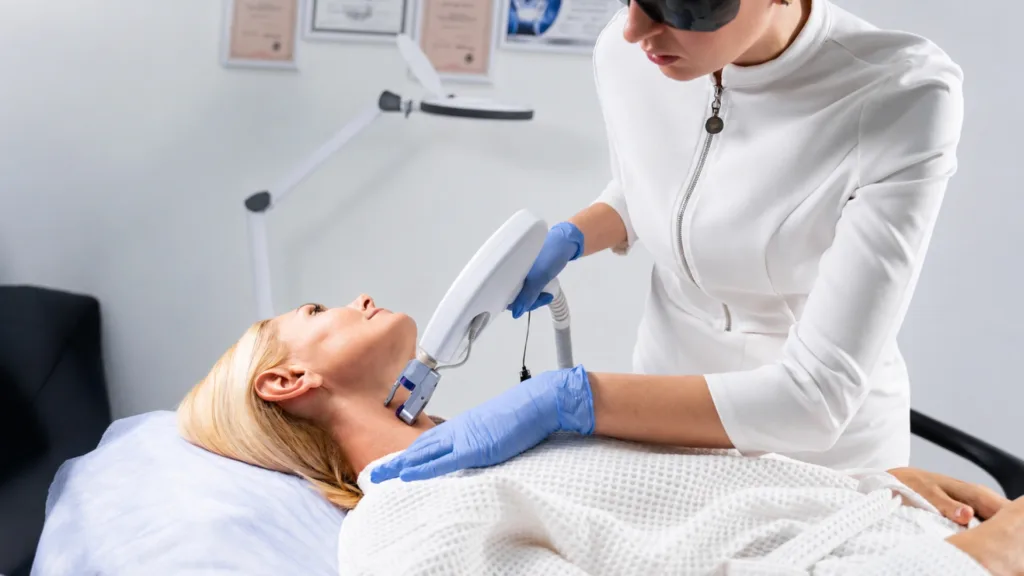
The biggest difference between Secret RF and Ultherapy lies in the technology they use to stimulate collagen production.
Secret RF combines microneedling with radiofrequency energy. Tiny needles create controlled micro-injuries in the skin while delivering RF heat into the deeper layers, encouraging collagen and elastin remodeling. This approach targets both the skin’s surface and underlying tissue.
Ultherapy uses focused ultrasound energy to bypass the surface and reach deeper structural layers of the skin. The ultrasound energy creates precise thermal points that trigger the body’s natural healing response, gradually improving skin firmness and lift.
In simple terms, Secret RF is often chosen for improving skin quality and texture, while Ultherapy is primarily designed for lifting and tightening.
Skin Concerns Treated
Although both treatments stimulate collagen, they are typically recommended for different aesthetic concerns.
Secret RF is commonly used for:
- Acne scars
- Fine lines and wrinkles
- Enlarged pores
- Uneven skin texture
- Mild skin laxity
- Stretch marks
Ultherapy is generally better suited for:
- Mild to moderate skin sagging
- Loss of jawline definition
- Drooping cheeks
- Loose skin under the chin
- Neck laxity
- Wrinkles on the décolletage
People looking to improve skin texture often gravitate toward Secret RF, while those seeking a non-surgical lifting effect may find Ultherapy more suitable.
Treatment Areas
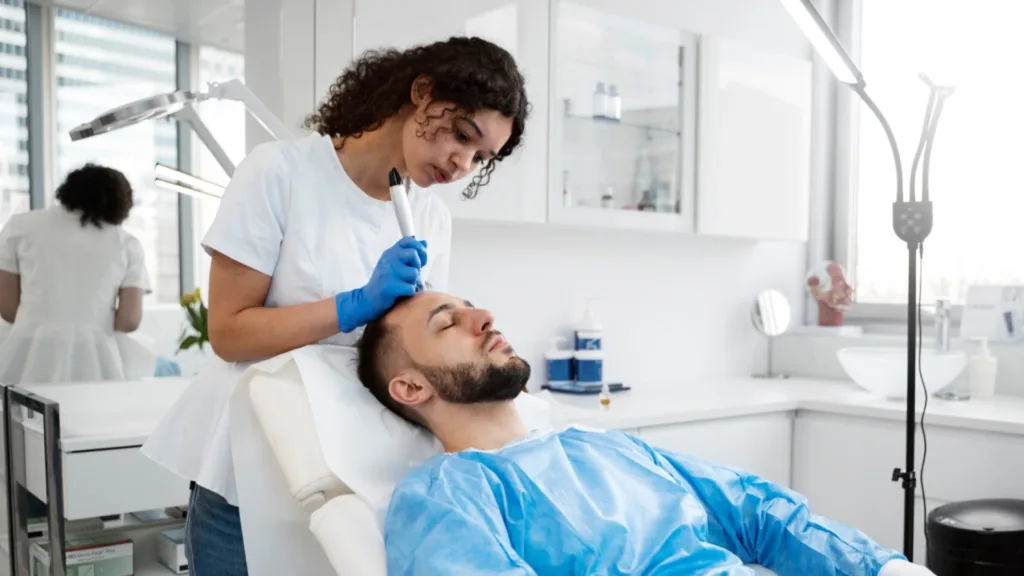
Secret RF offers versatility and can be used on multiple areas of the body as well as the face. Common treatment areas include:
- Cheeks
- Forehead
- Around the eyes
- Neck
- Chest
- Abdomen
- Areas affected by acne scars or stretch marks
Ultherapy is primarily approved for lifting and tightening:
- Face
- Neck
- Under the Chin
- Upper Chest
It is most commonly performed to improve the appearance of the brow, jawline, and neckline.
If your main concern extends beyond facial skin tightening, Secret RF may provide greater treatment flexibility.
Procedure Experience
Although both treatments are non-surgical, the experience during the procedure is not exactly the same. The technology used by each treatment creates a different sensation, and understanding what to expect can help reduce any uncertainty before your appointment.
| Aspect | Secret RF Microneedling | Ultherapy |
| Technology Used | Microneedling combined with radiofrequency energy | Focused ultrasound energy |
| Needles Involved | Yes, ultra-fine needles deliver RF energy into the skin | No needles are used |
| Typical Sensation | Mild pressure with brief heat sensations | Temporary warmth, tingling, or small bursts of energy |
| Comfort Measures | Topical numbing cream is usually applied beforehand | Pain management options may be offered depending on the treatment plan |
| Procedure Length | Usually 30-60 minutes, depending on the treatment area | Typically 30-90 minutes, depending on the areas treated |
Overall, both Secret RF and Ultherapy are generally well tolerated, but individual comfort levels can vary. Factors such as the treatment area, energy settings, and personal pain tolerance all play a role in the overall experience. A consultation with an experienced provider can help set realistic expectations and determine the most appropriate approach for your needs.
Downtime and Recovery
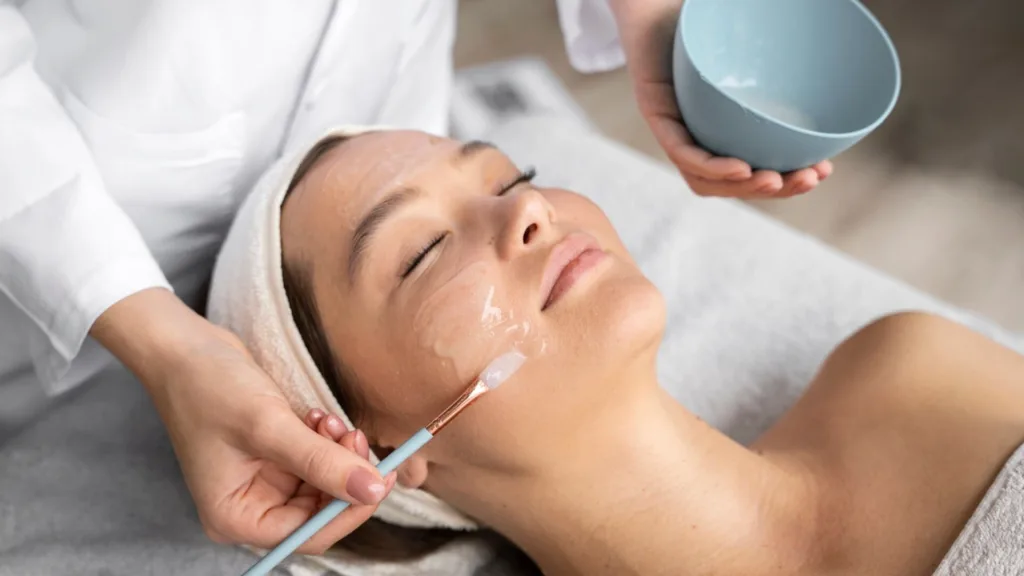
Recovery time is an important consideration when choosing between Secret RF and Ultherapy, especially if you have work, social events, or other commitments planned. While both treatments require minimal downtime, the healing process is slightly different because of the technologies involved.
After Secret RF Microneedling:
Here’s what to expect after a Secret RF microneedling session:
Day 1: It is normal to experience redness, mild swelling, and a sensation similar to a light sunburn. The skin may also feel slightly tight or rough as the natural healing process begins.
Days 2-3: Most of the redness gradually fades, although some people notice mild dryness or flaking. Makeup can typically be worn once your provider gives the go-ahead, and normal daily activities can usually be resumed.
After One Week: Any visible signs of treatment have generally resolved, and the skin often starts to look smoother and more refreshed. Collagen remodeling, however, continues beneath the surface for several weeks.
After Ultherapy:
Here’s what to expect after a Ultherapy session:
Day 1: Most patients experience little to no visible downtime. Mild redness, slight swelling, or tenderness in the treated areas may occur but usually does not interfere with normal activities.
Days 2-3: Any temporary swelling or sensitivity typically subsides. Some people notice a mild sensation of tightness beneath the skin as the body’s natural collagen-building process gets underway.
After One Week: The skin usually appears completely normal, although the lifting and tightening effects are still developing. Because Ultherapy works by stimulating new collagen production, improvements become more noticeable over the following months.
Overall, Ultherapy generally involves less visible recovery, while Secret RF may require a few days for the skin to fully settle. Both treatments, however, are considered minimally invasive and allow most people to return to their regular routine relatively quickly.
When Results Become Visible
One of the biggest similarities between Secret RF and Ultherapy is that neither treatment produces overnight results. Both work by stimulating the body’s natural collagen production, meaning improvements develop gradually over time.
With Secret RF Microneedling, many people notice an initial improvement in skin texture and radiance within the first few weeks as the skin heals. However, the most significant changes typically become visible after four to eight weeks, with continued improvement over the following months as new collagen forms.
Ultherapy follows a slightly different timeline. Because the treatment targets deeper structural layers of the skin, visible lifting and tightening usually appear more gradually. Some patients notice subtle changes after a few weeks, but the full results often develop over two to three months.
While patience is required with both treatments, the gradual progression often creates a more natural-looking outcome.
How Long Results Typically Last
The longevity of your results depends on factors such as age, skin quality, lifestyle habits, and your body’s natural collagen production. Although neither treatment can stop the aging process, both can provide long-lasting improvements.
Results from Secret RF often last around 12 to 18 months, particularly when supported by a consistent skincare routine and occasional maintenance treatments. The skin can continue to look smoother and firmer as collagen remodeling progresses.
Ultherapy is also known for its long-lasting effects, with many patients enjoying visible lifting and tightening for a year or more. As natural aging continues, maintenance sessions may be recommended to help preserve the results.
Number of Sessions Usually Recommended
The number of sessions you’ll need often depends on your skin concerns, age, and the type of results you’re hoping to achieve. While both treatments stimulate collagen production, their treatment plans are usually quite different.
- Secret RF Microneedling: Most providers recommend 3-4 sessions, typically spaced 4-6 weeks apart, for optimal improvement in skin texture, acne scars, and fine lines.
- Ultherapy: Many patients achieve their desired results with a single treatment session, although maintenance treatments may be recommended every 12-18 months depending on the natural aging process.
Ultimately, the right treatment schedule should be tailored to your skin and long-term goals. A professional consultation can help determine the number of sessions that will provide the most effective and natural-looking outcome.
Secret RF vs Ultherapy: Quick Comparison Table
After looking at each treatment in detail, it can be helpful to see the key differences side by side. The table below provides a quick overview of how Secret RF and Ultherapy compare across the factors that matter most to patients.
| Feature | Secret RF Microneedling | Ultherapy |
| Technology | Radiofrequency-assisted microneedling | Focused ultrasound energy |
| Primary Goal | Improve skin texture and stimulate collagen | Lift and tighten sagging skin |
| Best For | Acne scars, fine lines, enlarged pores, uneven texture | Mild to moderate skin laxity, jawline and neck tightening |
| Treatment Areas | Face, neck, chest, body, stretch marks | Face, neck, under the chin, décolletage |
| Procedure Type | Minimally invasive with tiny needles | Non-invasive, no needles |
| Downtime | Mild redness and swelling for 1-3 days | Little to no downtime |
| When Results Appear | Within a few weeks, improving over 2-3 months | Gradually over 2-3 months |
| How Long Results Last | Around 12-18 months* | About 12 months or longer* |
| Typical Sessions Needed | Usually 3-4 treatments | Often 1 treatment |
| Suitable For | Patients wanting skin resurfacing and rejuvenation | Patients looking for a non-surgical lifting effect |
*Individual results and longevity can vary depending on factors such as age, skin condition, and lifestyle.
Secret RF is often preferred for improving skin quality and texture, while Ultherapy is generally chosen for lifting and tightening deeper layers of the skin. The best option ultimately depends on your individual concerns and aesthetic goals.
Can Secret RF and Ultherapy Be Combined?
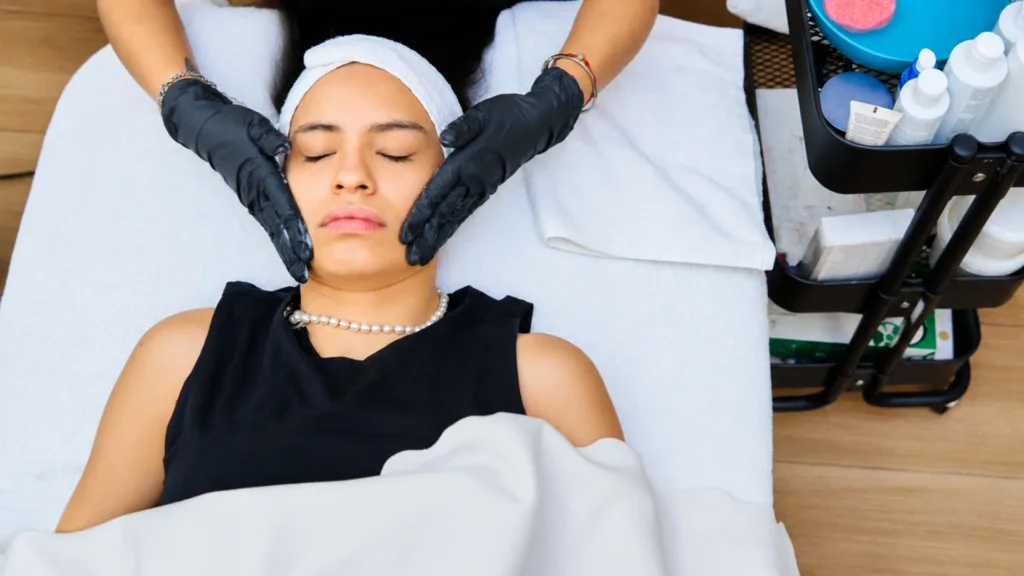
Many people assume they have to choose between Secret RF and Ultherapy, but that is not always the case. Since the two treatments work at different depths and target different concerns, they can often complement each other as part of a comprehensive skin rejuvenation plan.
Ultherapy focuses on the deeper structural layers of the skin, helping to lift and tighten areas affected by mild to moderate skin laxity. Secret RF, on the other hand, works closer to the surface, improving concerns such as fine lines, acne scars, enlarged pores, and uneven texture through radiofrequency-assisted microneedling.
By combining both treatments, patients may be able to address multiple signs of aging at the same time, achieving improved skin quality while also enhancing firmness and definition.
That said, these procedures are not typically performed during the same appointment. An experienced provider will usually recommend a treatment sequence and spacing based on your skin condition, goals, and overall treatment plan.
If you’re looking for both skin resurfacing and a non-surgical lifting effect, discussing a combined approach during your consultation may help you achieve more balanced and natural-looking results.
Factors to Consider Before Choosing Between Secret RF and Ultherapy
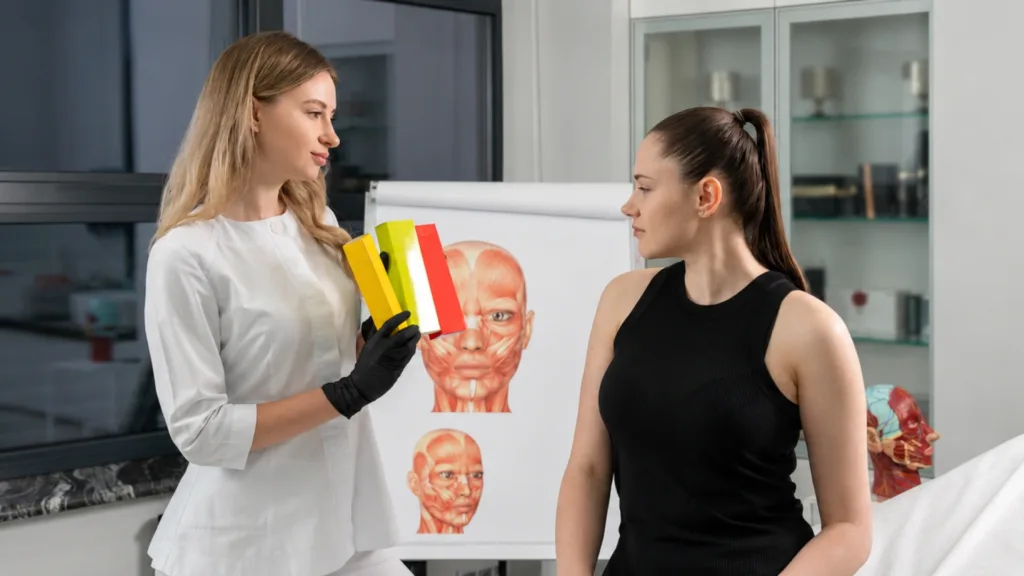
With so many non-surgical skin treatments available today, it’s easy to focus only on before-and-after photos. However, choosing between Secret RF and Ultherapy should come down to your individual skin concerns, expectations, and lifestyle.
Before making a decision, consider the following factors:
- Your primary skin concern: If you’re looking to improve acne scars, enlarged pores, or uneven texture, Secret RF may be more suitable. If loose skin and loss of facial definition are your biggest concerns, Ultherapy may be the best fit.
- The type of results you want: Secret RF is generally associated with skin resurfacing and overall rejuvenation, while Ultherapy is designed to create a subtle lifting and tightening effect.
- Your comfort with downtime: Although both treatments involve minimal recovery, Secret RF usually comes with a few days of visible redness, whereas Ultherapy often allows patients to return to normal activities immediately.
- How quickly you expect to see changes: Both treatments rely on collagen production, but understanding that results develop gradually can help set realistic expectations.
- Your willingness to commit to multiple sessions: Secret RF is often performed as a series of treatments, while Ultherapy is commonly completed in a single session with occasional maintenance.
- Whether you may benefit from a combination approach: In some cases, addressing both skin texture and skin laxity may involve using Secret RF and Ultherapy as part of a customized treatment plan.
Ultimately, there is no one-size-fits-all answer. The right choice depends on your skin’s current condition and the improvements you hope to achieve. A consultation with a qualified provider can help determine which treatment-or combination of treatments-best aligns with your goals.
Choosing Between Secret RF and Ultherapy For Your Skin Goals
Secret RF and Ultherapy are both effective collagen-stimulating treatments, but they are designed to address different concerns. Secret RF is often the preferred choice for improving skin texture, acne scars, and fine lines, while Ultherapy focuses on lifting and tightening areas affected by mild to moderate skin laxity.
Rather than asking which treatment is “better,” it is often more helpful to ask which one aligns with your goals. In some cases, a combination approach may even provide the most comprehensive results by targeting both the surface and deeper structural layers of the skin.
At Nano Beauty Star, every treatment plan begins with understanding your skin rather than following a one-size-fits-all approach. An experienced consultation can help identify whether Secret RF, Ultherapy, or a customized combination of treatments is best suited to your concerns and expectations.
If you’re considering a non-surgical solution for skin rejuvenation or tightening, our team can help you explore your options and create a personalized plan designed around your unique skin goals and desired results. Book your consultation today!
FAQs
Can Secret RF and Ultherapy replace a facelift?
Secret RF and Ultherapy can improve skin firmness and stimulate collagen production, but they cannot replicate the results of a surgical facelift. These treatments are generally best suited for people with mild to moderate signs of aging who want a non-surgical option with minimal downtime.
At what age should you consider Secret RF or Ultherapy?
There is no specific age that’s right for everyone. Many people begin considering Secret RF or Ultherapy in their 30s or 40s when early signs of aging become noticeable. The best time to start often depends on your skin concerns, collagen levels, and aesthetic goals.
Is Secret RF more painful than Ultherapy?
The treatment experience varies from person to person. Secret RF involves tiny needles combined with radiofrequency energy, while Ultherapy uses focused ultrasound energy. Most patients tolerate both procedures well, especially with appropriate comfort measures, though individual sensitivity and the treatment area can influence the experience.